

Did you know that 80% of consumers always approach a brand if they are issued with a location-based offer? With consumers expecting more targeted, real-time messages, geofencing is now becoming the secret weapon for businesses, no matter how big or small.
With geofence marketing, customers are reached at the right time with the right message whenever they are in an area that you have set your geofence. But how it is done, and what advantages it offers to your business?
In this guide, we are going to learn what geofencing marketing is, how it works, and how to apply it for your business or company’s benefit.
Stay tuned and read on to find out how this effective tool may be used to gain a competitive advantage.
Table Of Contents
- What is Geofencing Marketing?
- How Does Geofencing Marketing Work?
- The Benefits of Geofencing Marketing
- How to Implement Geofencing Marketing for Your Business
- Best Practices for Geofencing Marketing
- How to Track the Success of Your Geofencing Marketing Campaigns
- Geofencing Marketing Cost
- Geofencing vs. Geolocation: What’s the Difference
- Final Thoughts
- FAQs
What is Geofencing Marketing?
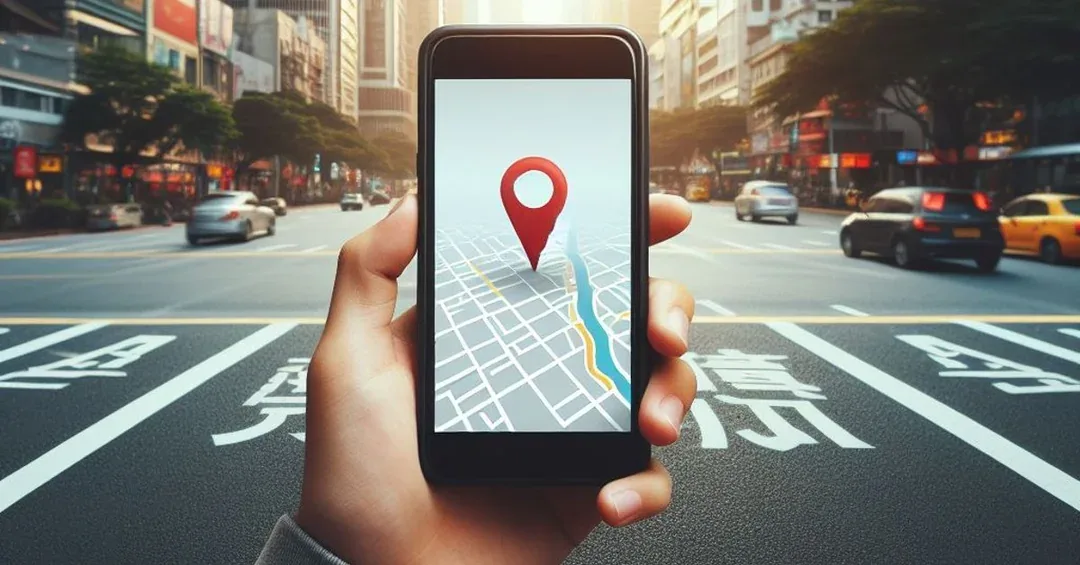
Geofencing marketing refers to a location marketing strategy that incorporates GPS, RFID, or Wi-Fi technology to create virtual perimeters around an area of interest. This boundary is known as “geofence”. Whenever the customer is within these boundaries or leaves them, the business can then use a short message, alert, or promotion on the customer’s mobile device.
Let’s assume you own a coffee shop in Austin, TX, and you wish to send a special offer to people who are around you. Geofencing marketing in Austin, TX, allows for the setting of the virtual perimeter around your coffee shop and the movement of a visitor with the app hosting your business in the region; they receive a notification on a discount or a new featured item on your menu. This real-time marketing at a particular location is very effective because it targets customers who are already close to your business.
How Does Geofencing Marketing Work?
Geofencing marketing is a process of creating virtual boundaries around a location that, once violated, can trigger the delivery of advertisements. Here’s a breakdown of how it works:
Creating a Geofence
First, a business creates a virtual boundary around a particular physical location. This could be a single outlet, a shopping mall, or even an entire city block. The boundary may be drawn at different levels, depending on how far away a business wants to reach its customers.
Tracking Customers
Anytime a customer is within or outside a geofenced area, the program identifies their location by their mobile device. This can happen in real-time for instances using GPS or Wi-Fi signals to emit signals and get the position of the object.
Sending Notifications
After the customer has located himself in any geographical area enclosed by the geofence, the business can directly send messages including promotion, special sales offers, or price cut, or even reminder message to the customer’s mobile device. These messages are usually conveyed through an application, notification, or even a text message.
Targeting Specific Audiences
Businesses can segment audiences based on location, how they are behaving, and what they like. This means you can target the right people at the right time, making sure that more people are going to respond to the message, which would mean more people would make a purchase.
The Benefits of Geofencing Marketing
Geofencing marketing has certain advantages that can be useful to organizations for enhancing client relationships, traffic, and sales. Let’s explore some of the key benefits of using this powerful marketing tool:
Increased Foot Traffic
As stated above, geofencing marketing can lead to increased foot traffic. Since geofencing uses a physical signal that directs clientele towards your business based on their physical closeness to it, they are bound to come over and make some purchases. It has been discovered that geofencing can improve visits to stores to a level of 20% which is a massive boost for anybody.
Personalized Offers and Messaging
The use of GPS helps in ensuring that appropriate offers are delivered to a customer, depending on his/her GPS location. For example, if a person is close to your restaurant, he/she may be offered a free dessert or a particular discount. Personalization makes it more appealing and there is a higher probability that the customer will respond to it.
Real-Time Engagement
To my mind, one of the main strengths of geofencing is that it could reach customers just in time. By sending messages when the customer is close to your business, you are reaching them at a time when they are more likely to make a decision. This form of engagement often leads to improved sales, conversions, and generates more sales within the shortest time possible.
Improved Customer Experience
With alerts, you can provide your customers with valuable material that enhances their experience with the brand. The customers like to be targeted with offers and information of their interest and that is what geofencing marketing lets you do. Also, sending a message when they are near your business can help them discover new products or services that they had no previous knowledge of.
Better ROI (Return on Investment)
Since geofencing marketing focuses only on the selected demographic area, it gives a higher return on investment than other conventional marketing approaches. Consumers are not contracted and therefore businesses do not spend on marketing or advertising to the wrong customers. Rather, you are concentrating on the visitors who are close to your store and are more likely to make a purchase.
Competitive Advantage
Using geofencing marketing gives you a competitive advantage – you will reach potentially interested people right in the places where they walk most frequently, be it a shopping mall or a popular street. This way you can autocomplete your rivals and offer products to potential consumers in real time.
How to Implement Geofencing Marketing for Your Business
Now that you understand the benefits of geofencing marketing, how can you implement it for your business? Here’s a step-by-step guide to help you get started:
Choose the Right Geofencing Platform
To use geofencing, you will need a platform that supports location-based marketing. There are many geofencing marketing platforms available that allow businesses to create and manage geofences. Look for a platform that integrates with your existing marketing tools and provides the features you need, such as customizable messaging, reporting, and analytics.
Set Your Geofence Boundaries
When you have selected your platform, it is now time to draw your geofence perimeters. The size of the geofence will depend on your business and goals. For example, if you operate a physical shop, you could want to make a geofence of the shop or a larger circle to cover people within that perimeter. Do not forget to experiment with the size of the geofence to select the best size for your business.
Create Engaging Content
Next, create engaging content that will capture your customers’ attention when they enter the geofenced area. This could be a special offer, a discount, or a reminder about a new product or service. Keep the message short, clear, and relevant to the customer’s location and behaviour.
Send Notifications at the Right Time
Remember to always send your notification at the right time so you can get the highest engagement from your audience. For example, if a customer walks into your store, make sure you immediately give them a coupon or a deal. If you want to target customers that are around your store but are not inside your store, then try and get a message across to them to come inside.
Monitor and Adjust Your Campaigns
Like any other marketing technique, geofencing campaigns need to be evaluated down the line. You should follow the geofencing analytics to know how successful your campaigns are. If some messages or offers seem ineffective, change them, which would make them more effective. Over time, you will learn what works best for your business.
Best Practices for Geofencing Marketing
To make the most out of geofencing marketing, it is important to follow some best practices:
Don’t Overwhelm Customers: Sending too many messages can annoy customers and lead to unsubscribes. Be strategic about when and how often you send notifications.
Use Geofencing for Specific Goals: Focus your geofencing efforts on specific objectives, such as driving foot traffic, promoting special offers, or increasing awareness of new products.
Provide Value: Ensure your offer or message gives actual worth to the customer. Whether it is a discount, an exclusive deal, or helpful information, customers are more likely to engage when they see the value.
Test and Optimize: Geofencing marketing is not a one-size-fits-all solution. Test different strategies, such as geofence size, message timing, and offers, to see what works best for your business.
Ready to drive more customers to your business?

How to Track the Success of Your Geofencing Marketing Campaigns
Here are 5 effective ways to track the success of your geofencing marketing campaign:
Monitor Foot Traffic
Count the number of people that physically got to your business after seeing your geofencing ad. Many platforms provide geofencing marketing tools to measure store visits directly tied to your campaign.
Key Metric: Store visit conversion rate.
Measure Offer Redemptions
Do you promote special discounts or offers that are unique to your campaign? Find out the number of people who use this offer. This provides a clear link between the campaign and customer actions.
Key Metric: Redemption rate (percentage of the total number of recipients that redeem this offer).
Analyze Click-Through Rates (CTR)
Monitor which of your geofencing ads or notification prompts people to click it. High CTR means that people are interested in your message and react to it in a proper way.
Key Metric: CTR = (clicks on the ad / impression) x 100
Leverage Heat Maps
Some geofencing tools provide heat maps that show user activity within the geofenced area. This helps you identify which locations within your geofence drive the most engagement.
Key Metric: Engagement density in specific areas.
Track ROI (Return on Investment)
Compare the revenue generated from your geofencing campaign to the costs involved. This gives a clear picture of how effective your campaign is financially.
Key Metric: ROI = (Revenue – Cost) / cost x 100
This information should be monitored so that you can assess, analyze, and evaluate the effectiveness of the geofencing marketing campaigns that you set.
Geofencing Marketing Cost
Geofencing marketing costs can differ by a number of factors, including the size of the selected geofenced area, the platform being utilized, and the period of the marketing campaign. Here is the breakdown of the typical costs and factors to consider:
Cost Per Thousand Impressions (CPM)
Geofencing marketing typically operates on a CPM model, meaning you pay for every 1,000 impressions.
Average CPM Range: $5 – $20
The exact cost depends on the competitiveness of your industry and the location you are targeting.
Setup Fees
Some platforms or agencies take an initial fee for creating and executing your geofencing campaign.
Setup Free Range: $500 – $2,000
Ad Spend Budget
Ad spending for the geofencing ads will have to come out of your pocket as well as entails an additional expense.
Monthly Ad Spend: From $1,000 to $10, 000 (or more, depending on the size of the campaign).
Management Fees
If you hire an agency or platform to manage your geofencing campaign, they may charge a management fee.
Management Fee Range: 10% to 30% of your ad spend.
Geofencing Area Size
As with the coverage area, the costs are influenced by not only the size but the level of precision involved in the geofence. Smaller, targeted geofences are often more budget-friendly than large, broad areas.
Campaign Customization
There may be added expenses given by the level of customization, such as creating unique ads, integrating advanced tracking, or targeting multiple locations.
Total Estimated Cost
On average, the total cost of geofencing marketing campaigns for small and medium businesses are ranging from $2,000 to $8,000 on a monthly basis based on the type and size of the campaign.
Geofencing vs. Geolocation: What’s the Difference
Geofencing and geolocation are both related to location-based services, but they are different from each other in terms of working and use. Let’s break it down:
Geolocation can be defined as the ability to determine the current location of a device through GPS, wireless networks, or IP address. It shows the location of a user or a device in relation to the map in real time.
Features of Geolocation
Real-Time Location Tracking: Delivers the latitude and longitude coordinates of a user/device at a specific moment.
Broader Scope: Able to identify a location anywhere in the world.
Common Uses:
- Navigation apps like Google Maps
- Ride-hailing services like Uber
- Delivery tracking for logistics companies.
Key Differences Between Geofencing and Geolocation
Aspect | Geolocation | Geofencing |
Definition | Determines a device’s exact location. | Creates virtual boundaries around a geographic area. |
Purpose | Tracking location in real-time. | Triggering actions based on boundary crossing. |
Scope | Broad and global. | Specific and localized |
Technology Used | GPS, Wi-Fi, IP, or cell tower data. | GPS, RFID, or Wi-Fi to define a boundary. |
Primary Application | Navigation, tracking, and logistics. | Marketing, promotions, security. |
Final Thoughts
Geofencing marketing is a great tool that enables businesses to reach out to their customers at the right time and place. Using messages that are sent when a customer is close to your establishment, you induce more traffic and customer satisfaction. Any enterprise, big or small, can benefit from geofencing as the tool that puts them at the top of the list in this growing world of digital marketing.
Are you considering geofencing marketing for your business? Then let SEO Discovery show how it is done. With extensive experience and effective techniques, they are confident to assist your company to grow, evolve, and develop within this growing market.
Are you ready to push your marketing to the next level?

FAQs for Website Maintenance
Geofencing marketing is a promotional technique that targets customers based on the location of a fixed perimeter. When getting into or out of this geofenced area, customers get messages, ads, or special offers from businesses.
Geofencing marketing can boost your business by:
- Increasing foot traffic
- Presenting custom offers
- Interaction with customers in real-time
- Enhancing customer experience
- Bringing better ROI through targeted campaigns
Geofence marketing can be used for any kind of business, whether small, medium, or large. It can help businesses sell directly to the neighbourhood customers, drive more foot traffic, and compete with larger competitors using cost-effective campaigns.
Not necessarily. Geofencing marketing can work through third-party applications, text messages, or notifications from your business app. But having your own app can offer a better chance at branding and customer relations.
Geofencing marketing works well across many industries, including:
- Retail stores
- Restaurants and coffee shops
- Event venues
- Real estate agencies
The size of a geofence is highly dependent on your marketing strategies and objectives besides the specific area you are targeting. For smaller businesses such as restaurants or a coffee shop, a small area (1-2 miles) is efficient.