


Spent time and money on your website but not getting any traffic?
Your competitors are climbing the search engine ranks, while your site remains unnoticed. Frustrating, right?
This is exactly what happens when your website is not optimized for search engines. Even the best websites can struggle to rank on Google without a clear understanding of what’s holding them back.
Many businesses face this challenge, often unaware that hidden issues are holding their website back.
Did you know? Around 70% of small businesses lack an effective SEO strategy, leading to poor visibility and missed opportunities.
So, how do you ensure your website gets the visibility it deserves? That’s where an SEO audit comes in – the secret weapon used by a digital marketing agency to uncover what’s stopping your website from achieving success.
Table Of Contents
- Understanding What is SEO Audit and Why SEO Audit Is Important?
- The Hidden Battleground of Search Engines
- Why Is an SEO Audit Important?
- Why Is a Technical SEO Audit Important?
- Types of SEO Audits
- Tools Used for SEO Audits
- Common SEO Audit Mistakes to Avoid
- Why Choose SEo Discovery for Your SEO Audit?
- FAQs on Why SEO Audit is Important
Understanding What is SEO Audit and Why SEO Audit Is Important?
An SEO audit is an in-depth analysis of your website’s performance in search engines. It evaluates technical issues, on-page optimization, content quality, backlink profiles, and overall user experience. Think of it as a health check for your website, offering valuable insights into what’s working and what needs improvement.
For businesses that want to stand out in a competitive market, regular audits are not optional – they are necessary. A reliable digital marketing agency will often start with an audit before implementing an SEO strategy to ensure maximum results.
The Hidden Battleground of Search Engines
oogle’s algorithms are akin to living organisms, evolving constantly to prioritize user experience, speed, and relevance. Consider this: 53% of website traffic comes from organic search, yet 68% of online experiences begin with a search engine (HubSpot). If your site isn’t optimized to meet algorithmic demands, you’re surrendering visibility—and revenue—to competitors.
An SEO audit is not a mere checklist; it’s a forensic investigation into what’s holding your site back. From broken links to sluggish load times, even minor issues can snowball into ranking penalties. For instance, pages that take longer than 3 seconds to load see a 38% increase in bounce rates. Imagine losing over a third of your audience before they even engage—all because of a fixable technical flaw.
Why Is an SEO Audit Important?
1. Identifies Technical Issues
One of the most critical reasons why an SEO technical audit is important is its ability to detect technical issues that hinder your website’s visibility. Problems like slow loading speeds, broken links, improper redirects, or mobile usability issues can significantly affect your search engine ranking.
Performing a technical SEO audit allows you to uncover these errors and fix them promptly. Search engines prioritize user experience, so addressing these issues can enhance both search rankings and your visitors’ satisfaction.
2. Evaluates On-Page SEO
Optimizing your content is a key factor in driving organic traffic. An SEO audit examines factors like keyword usage, meta tags, internal linking, and URL structures. Understanding why an SEO audit is important helps you identify opportunities to add relevant keywords, update outdated content, and create a better structured website.
A digital marketing company specializing in SEO will recommend adjustments that align with the latest search engine algorithms, ensuring your site remains competitive.
3. Analyze Backlink Profile
Backlinks play a crucial role in determining your website’s authority and ranking. However, not all backlinks are beneficial. Low quality or spammy links can damage your reputation and lead to penalties.
Through an SEO audit, you can analyze your backlink profile to identify and remove toxic links while developing a stronger link-building strategy. This is another reason why technical SEO audit is important for maintaining a clean and authoritative online presence.
4. Improve User Experience (UX)
Search engines like Google prioritize user experience when ranking websites. An audit evaluates how users interact with your site, including metrics like bounce rates, average session durations, and mobile responsiveness.
A well structured website with intuitive navigation and relevant content will naturally encourage visitors to stay longer, increasing your chances of converting leads into customers. SEO audit can lead to improvements that enhance user satisfaction.
5. Keeps You Competitive
If your competitors are consistently outranking you, they are likely conducting regular SEO audits. Evaluating competitor websites through audit tools can reveal their strengths and weaknesses. By staying updated on market trends and adapting your strategies, you gain a significant competitive advantage.
A trusted SEO company can help you benchmark your performance against competitors and recommend data-driven improvements.
Find Out What’s Stopping Your Website from Ranking with a Comprehensive SEO Audit
Why Is a Technical SEO Audit Important?
A technical SEO audit dives beneath the surface of your website, scrutinizing infrastructure that most businesses overlook. Let’s break down its critical role:
Crawlability and Indexability: Search engines rely on bots to crawl and index pages. If your site’s robots.txt file blocks key pages or duplicate content runs rampant, Google’s bots might ignore your best content. A technical audit identifies these crawl errors, ensuring every valuable page is visible to search engines.
Site Speed and Performance: Speed is no longer a luxury—it’s a ranking factor. Google’s Core Web Vitals now prioritize metrics like Largest Contentful Paint (LCP) and Cumulative Layout Shift (CLS). Sites failing these metrics risk plummeting in rankings, regardless of content quality.
Mobile-First Indexing: With 60% of global web traffic coming from mobile devices (Statista, 2023), Google prioritizes mobile-friendly sites. A technical SEO audit evaluates responsive design, touchscreen compatibility, and mobile load times—factors that make or break user experience.
Security and HTTPS: A non-secure site (HTTP) is a red flag for both users and search engines. HTTPS encryption isn’t just about safety; it’s a ranking booster. Audits ensure your security protocols meet modern standards.
Types of SEO Audits
There are several types of SEO audits, each focusing on a specific aspect of your website’s performance.
1. Technical SEO Audit
A technical SEO audit focuses on the backend elements of your website that impact search engine visibility. It evaluates site speed, mobile responsiveness, crawl errors, and indexing issues. Additionally, it checks for proper XML sitemaps, robots.txt files, and structured data. Ensuring these technical factors are optimized allows search engines to navigate and rank your site more effectively.
2. On-Page SEO Audit
This audit examines the content and structure of individual web pages to ensure they are optimized for both search engines and users. It includes a detailed analysis of keyword usage, meta titles, meta descriptions, header tags, and internal linking. It also assesses URL structure and image optimization to maximize on-page SEO performance and improve search visibility.
3. Off-Page SEO Audit
An off-page SEO audit reviews factors beyond your website that influence your search rankings, primarily focusing on backlinks and brand presence. It identifies high-quality backlinks that enhance your authority and flag any toxic links that may harm your rankings. Also, it analyzes brand mentions, social media signals and overall online reputation to strengthen your domain authority.
4. Content SEO audit
In this type of audit, the focus is on assessing the quality, relevance, and effectiveness of your website’s content. It checks whether your content aligns with search intent, contains relevant keywords, and offers value to readers. It evaluates factors like readability, engagement metrics, content freshness, and keyword cannibalization to ensure your content is ranking competitively.
5. Local SEO Audit
For businesses targeting a local audience, a local SEO audit is essential. It reviews the accuracy and consistency of your Google Business Profile, business directories, and local citations. This audit also checks for NAP (Name, Address, Phone Number) consistency across the web. Additionally, it evaluates local keyword optimization, customer reviews, and geographic relevance to enhance your local search visibility.
6. Competitor SEO Audit
A competitor SEO audit analyzes the strengths and weaknesses of your competitors’ SEO strategies. It examines their keyword rankings, backlink profiles, content strategy, and technical SEO elements. By understanding what works for your competitors, you can uncover opportunities to outrank them and gain a competitive edge in your industry.
7. E-commerce SEO Audit
An e-commerce SEO audit is tailored to online stores and assesses the effectiveness of product pages, category structures, and filtering options. It checks for optimized product descriptions, high-quality images, and user-friendly navigation. Additionally, it evaluates schema markup, reviews, and call-to-action elements to enhance visibility on search engine results pages (SERPs) and drive conversions.
8. Mobile SEO Audit
With mobile searches surpassing desktop searches, a mobile SEO audit is crucial. This audit assesses mobile responsiveness, loading speed, and user experience on mobile devices. It ensures that mobile users have a seamless experience by checking for issues like unresponsive design, slow-loading images, and intrusive pop-ups that could negatively impact mobile search rankings.
9. SEO Link Audit
An SEO link audit evaluates your website’s backlink profile to ensure it consists of high-quality, authoritative links. It identifies any spammy or harmful links that may lead to penalties from search engines. Additionally, it offers insights into link-building opportunities, ensuring your backlink strategy aligns with best practices to boost your domain authority.
Tools Used for SEO Audits
There are numerous tools available to conduct comprehensive SEO audits, helping you identify issues and optimize your website. Here are some of the most commonly used tools for different aspects of an SEO audit:
1. Google Search Console
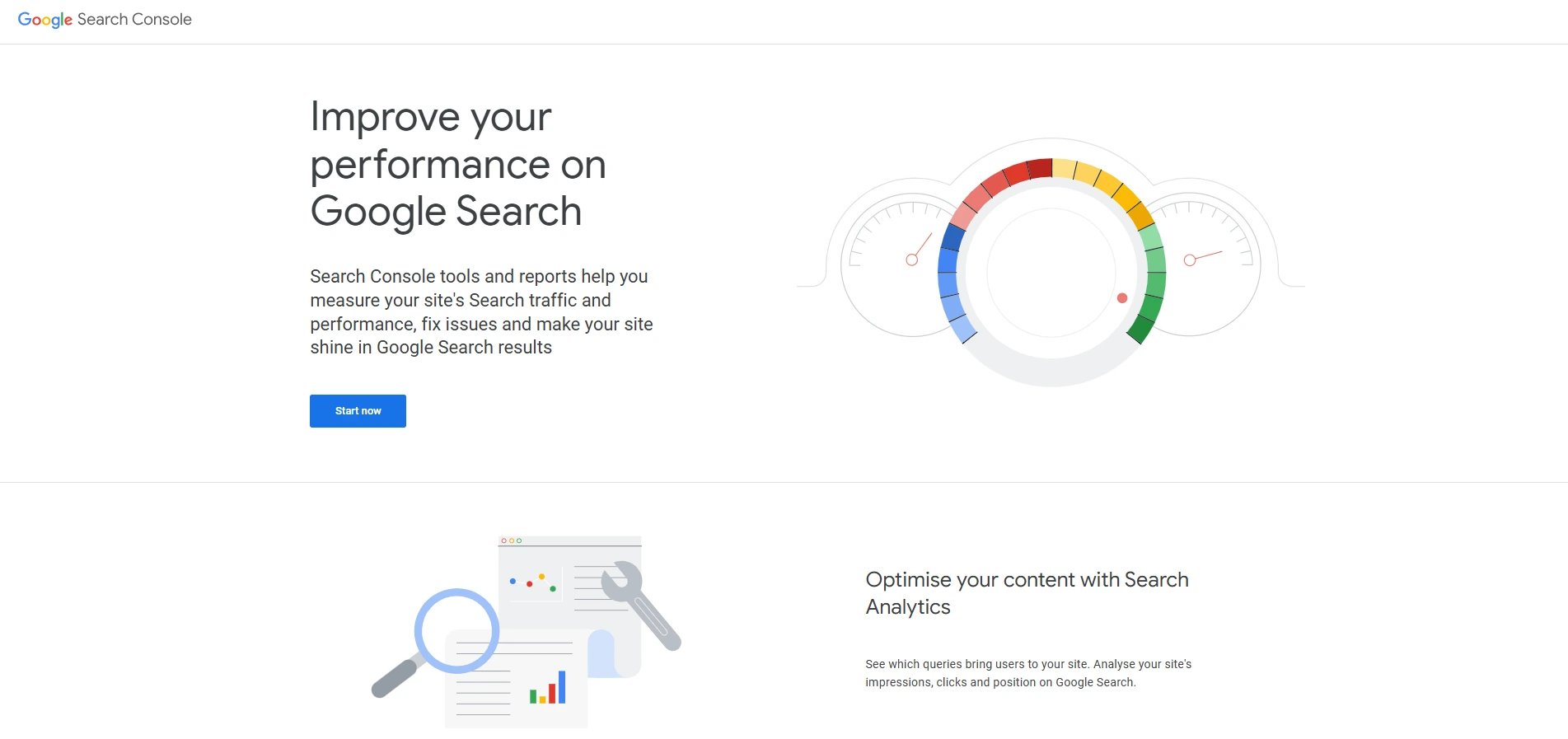
Google Search Console is a free tool that provides valuable insights into your website’s search performance. It helps you monitor keyword rankings, analyze click-through-rates (CTR), and detect indexing issues. It highlights errors like 404 pages, crawl issues, and mobile usability problems.
2. Google Analytics
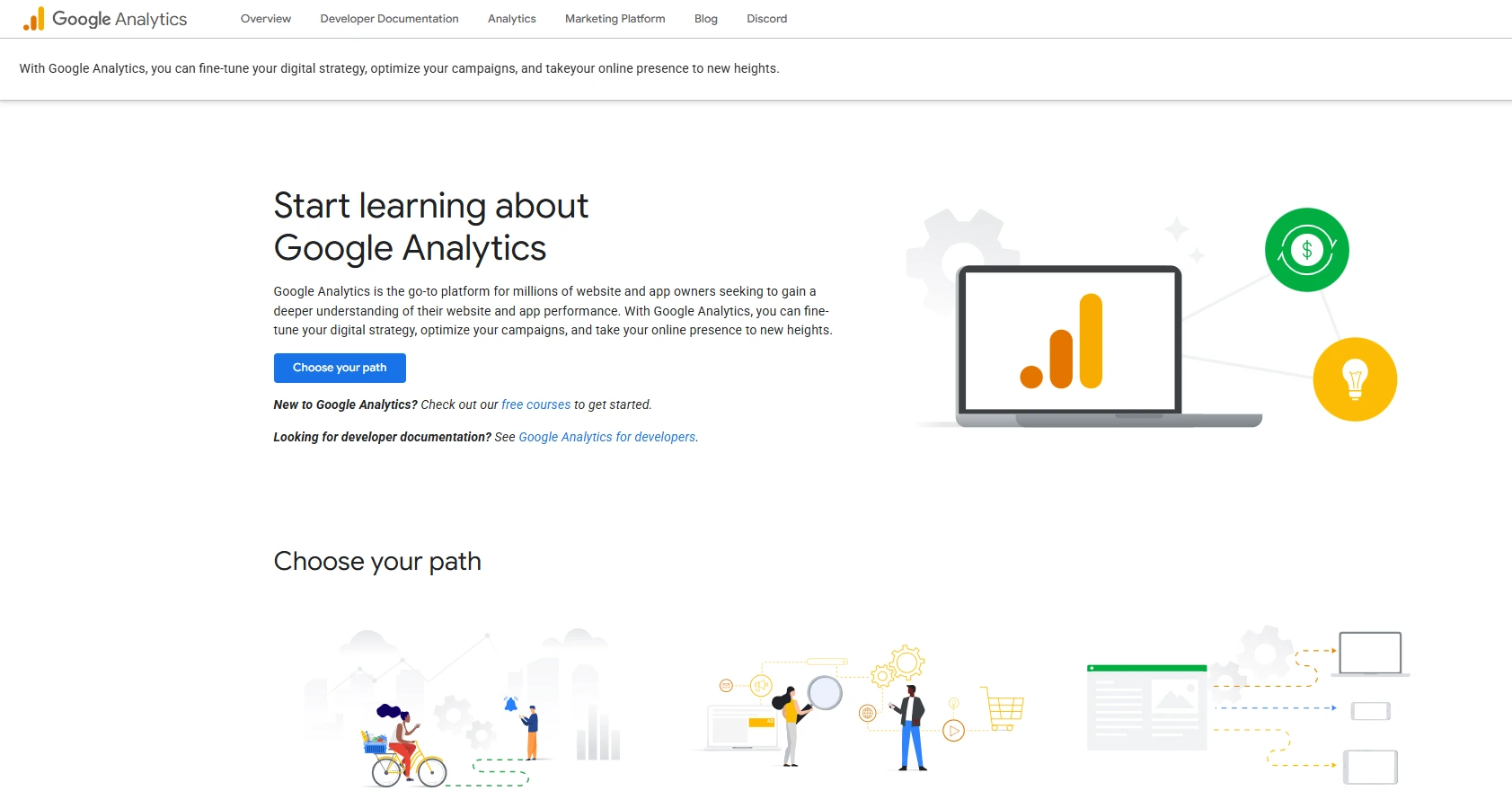
This tool tracks user behavior, website traffic, and conversion rates. It offers in-depth data on user demographics, source of traffic, and engagement metrics. By analyzing this data, you can identify underperforming pages and optimize them for better results.
3. SEMrush
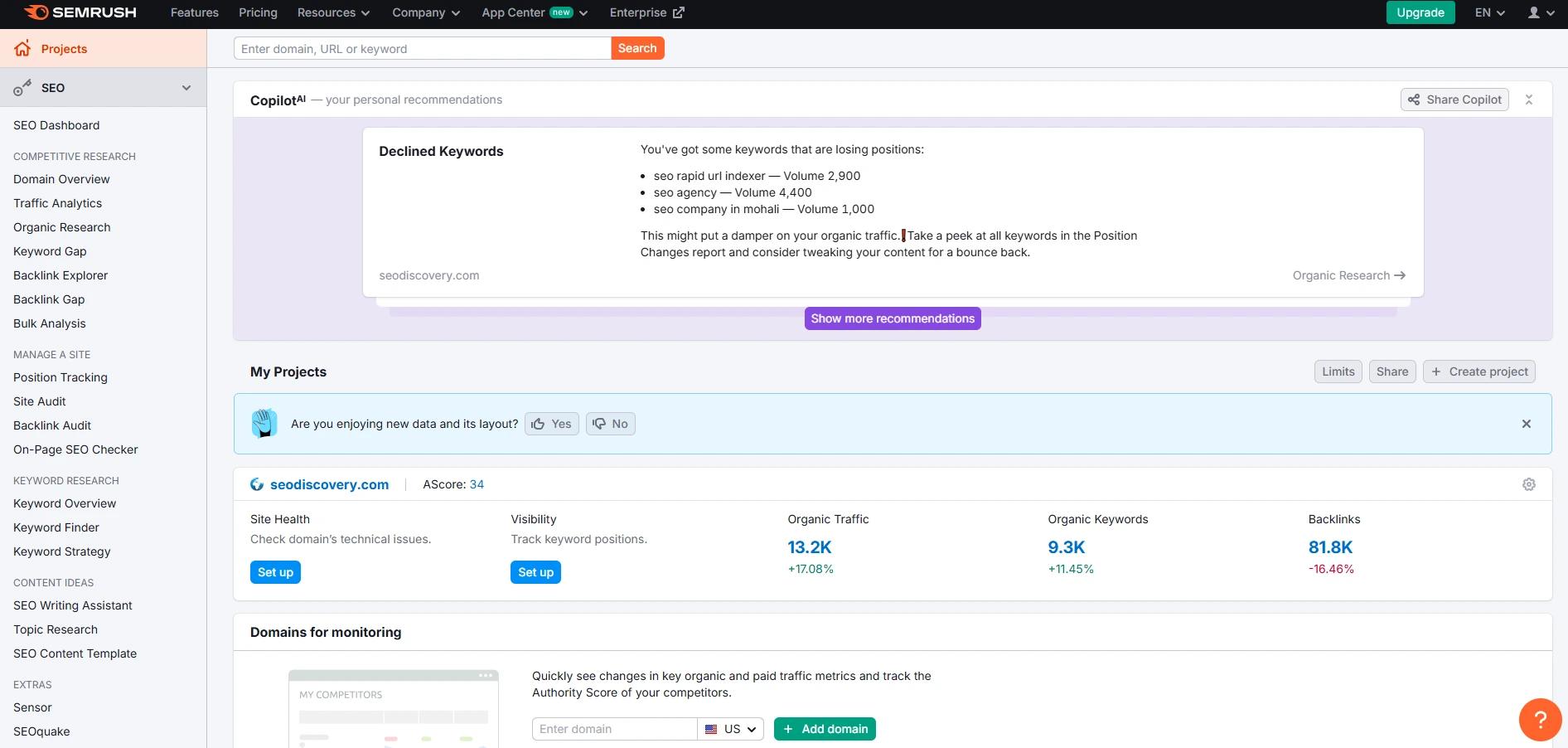
SEMrush is a powerful all-in-one SEO platform offering a complete suite of tools for SEO audits. It performs technical audits, track keyword rankings, analyze backlink profiles, and monitors competitor performance. Its site audit features provide actionable recommendations to fix on-page and technical issues.
4. Ahrefs

Ahrefs is widely used for backlink analysis and competitor research. It offers detailed insights into your backlink profile, identifies toxic links, and tracks referring domains. Ahrefs also provides a site audit feature to detect technical and on-page issues.
5. Screaming Frog SEO Spider
Screaming frog is a desktop-based tool that performs an in-depth crawl of your website, simulating how search engines navigate your pages. It identifies issues like broken links, duplicate content, missing meta tags, and redirects, making it an essential tool for technical SEO audits.
6. Moz Pro
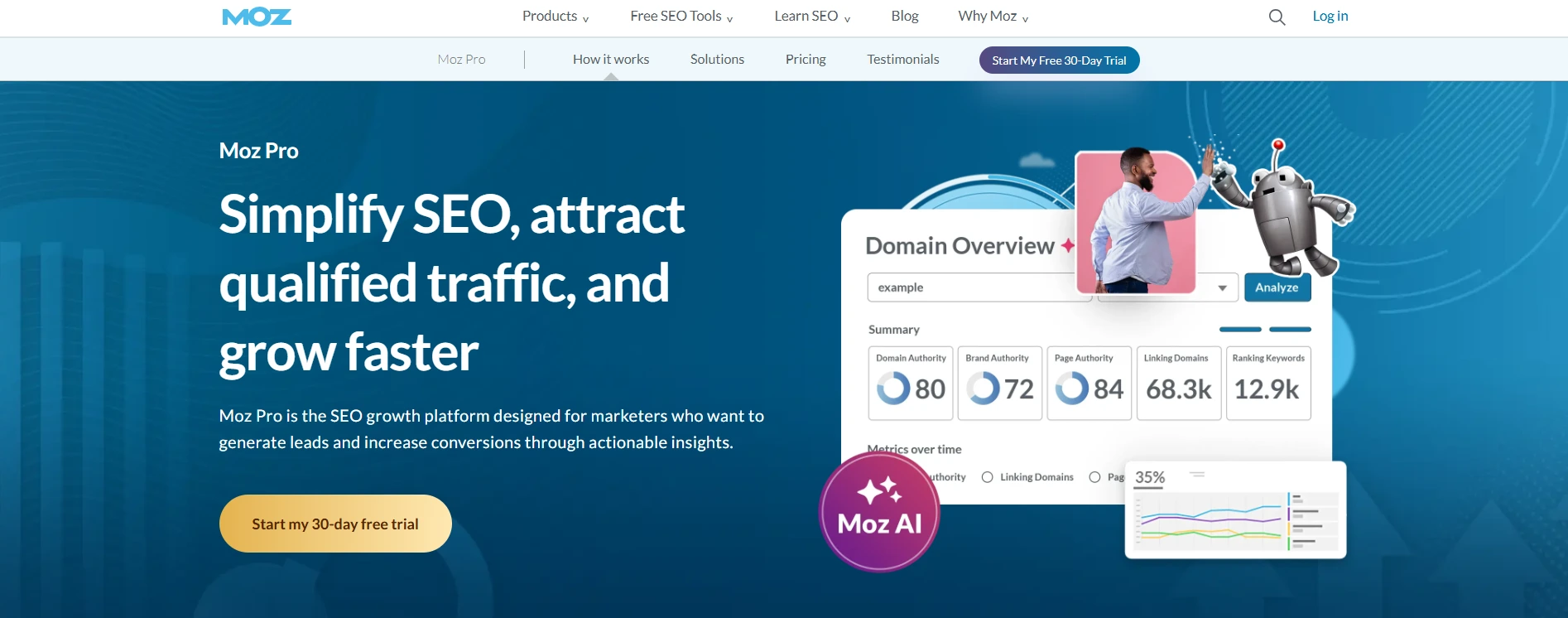
Moz Pro offers comprehensive SEO solutions, including site audits, rank tracking, and keyword research. Its Site Crawl feature identifies critical errors that could impact your rankings. Moz also provides a Domain Authority (DA) score to measure your website’s authority compared to competitors.
7. GTmetrix
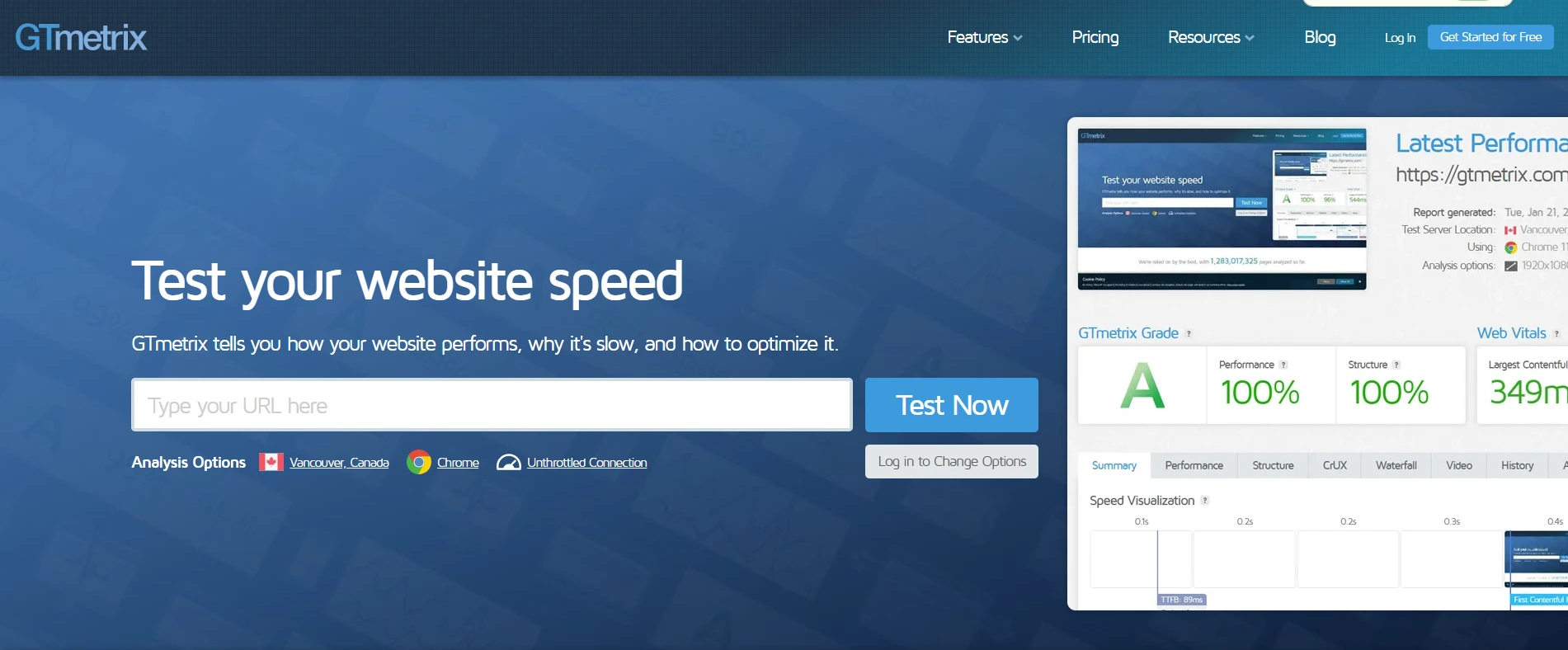
GTmetrix is ideal for analyzing your website’s loading speed and performance. It provides detailed reports on factors affecting website speed, including image optimization, server response time, and JavaScript issues. Faster loading times lead to better user experience and improved search rankings.
8. Lighthouse (Google)
Google Lighthouse is an open-source tool that evaluates web performance, accessibility, SEO, and best practices. It is particularly useful for testing page speed and mobile usability, providing actionable insights to enhance your site’s user experience.
9. Ubersuggest
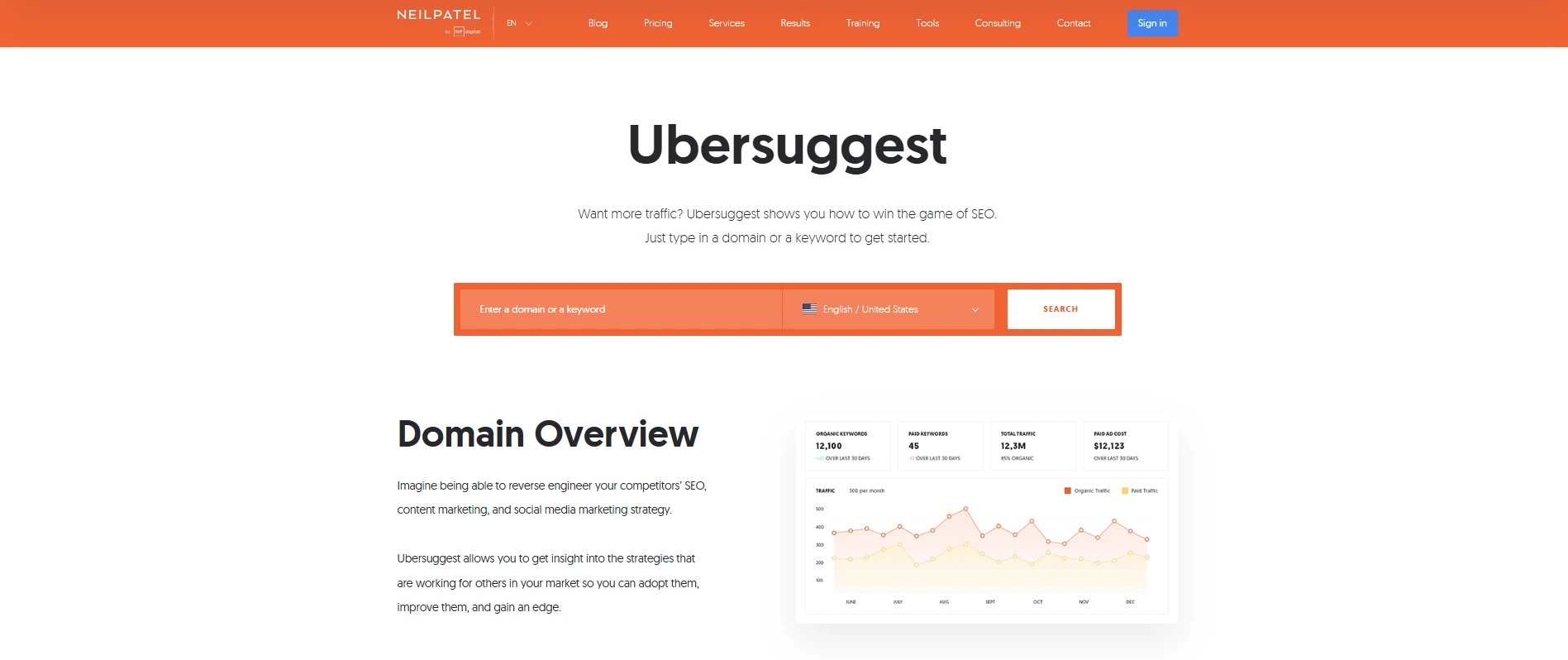
Ubersuggest offers keyword research, backlink analysis, and SEO audit features. It’s a beginner-friendly tool that provides easy-to-understand reports and actionable recommendations. It’s especially useful for small businesses looking to improve their online presence.
10. Yoast SEO (For WordPress)
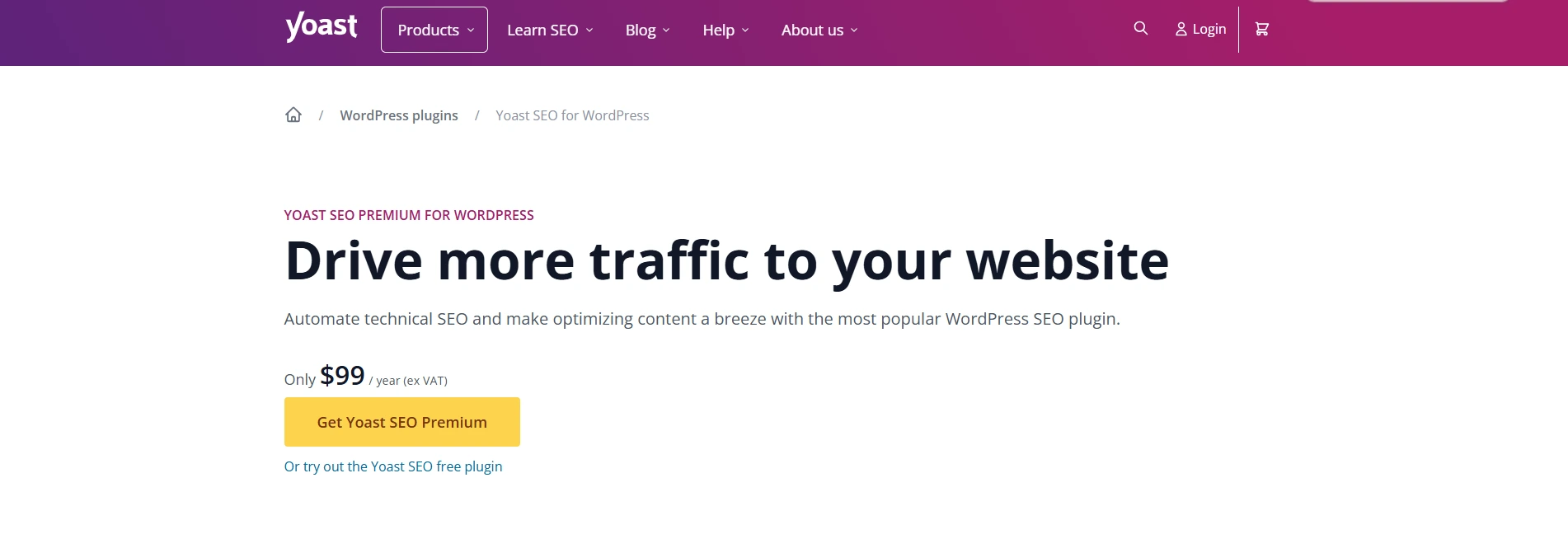
For WordPress users, Yoast SEO is a popular plugin that offers real-time on-page SEO suggestions. It helps you optimize content with proper keyword placement, meta descriptions, and readability improvements.
Common SEO Audit Mistakes to Avoid
When conducting an SEO audit, it is easy to overlook critical areas that can impact your website’s performance. Here are some common SEO audit mistakes to avoid:
Ignoring Technical SEO Issues: Many audits focus solely on content and keywords, neglecting technical SEO. Issues like slow page speed, broken links, and improper indexing can severely affect your rankings. Always run a technical audit to catch these problems.
Not Checking Mobile Usability: With mobile-first indexing, Google prioritizes mobile-friendly websites. Failing to assess mobile responsiveness and usability can lead to lower rankings and poor user experience. Ensure your site is mobile-optimized with a responsive web design.
Overlooking Duplicate Content: Duplicate content can confuse search engines and dilute your rankings. During your audit, check for duplicate pages, meta descriptions, and title tags using tools like Screaming Frog and Ahrefs.
Neglecting On-Page Optimization: Skipping on-page elements like meta titles, descriptions, header tags, and image alt text is a common mistake. Ensure each page has unique, keyword-optimized meta tags and relevant internal linking for better visibility.
Failing to Analyze Backlinks: Backlinks are essential for domain authority and rankings. Neglecting a backlink analysis could leave harmful links unchecked, which can result in penalties. Use tools like Ahrefs and SEMrush to identify and remove toxic links.
Ignoring Core Web Vitals: Core Web Vitals measure loading speed, interactivity, and visual stability. Poor performance in these areas can negatively impact user experience and rankings. Regularly monitor and optimize Core Web Vitals using Google PageSpeed Insights or GTmetrix.
Skipping Content Quality Analysis: Many audits fail to assess content quality and relevance. Low-quality or outdated content can reduce your site’s authority. Ensure your content aligns with search intent, is well-structured, and provides value to users.
Not Reviewing Competitor Analysis: Ignoring competitor analysis during an audit means missing valuable insights. Studying competitor strategies can help you identify gaps and opportunities in your own SEO strategy.
Overlooking Local SEO Factors: For local businesses, failing to audit Google Business Profile, NAP (Name, Address, Phone) consistency, and local citations is a significant mistake. Ensure your local SEO is fully optimized to rank higher in local search results.
Why Choose SEO Discovery for Your SEO Audit?
When it comes to ensuring your website’s success, partnering with the best SEO agency can make all the difference. SEO Discovery is a leading digital marketing agency with over 15 years of experience in delivering comprehensive SEO solutions. Our team of certified SEO specialists conducts detailed audits to uncover hidden issues that may be holding your website back.
We don’t just point out problems — we provide actionable recommendations to improve your site’s visibility, drive organic traffic, and boost your rankings. From technical SEO fixes and content optimization to backlink analysis and competitor research, our audits cover every critical aspect of your website’s performance.
What you get with our expert SEO audit services:
- In-Depth Analysis: Our advanced tools and expert insights help identify technical issues, content gaps, and off-page weaknesses.
- Tailored Solutions: Every audit is customized to suit your business goals, industry, and competitive landscape.
- Clear Reporting: Receive easy-to-understand reports with step-by-step recommendations for immediate improvement.
- Continuous Support: Our team remains by your side, offering ongoing SEO support and guidance.
Struggling online? Get an expert SEO audit to find gaps and boost your website’s performance!
FAQs on Why SEO Audit is Important
An SEO audit is a comprehensive analysis of your website’s performance to identify any technical, on-page, or off-page issues affecting your search engine rankings. It’s necessary to ensure your website remains optimized, competitive, and aligned with search engine algorithms.
It’s recommended to conduct an SEO audit at least once every six months. However, for businesses in competitive industries or those frequently updating their websites, quarterly audits are more effective.
An SEO audit can detect problems like broken links, slow page speed, duplicate content, poor mobile usability, missing meta tags, and toxic backlinks. It also identifies content gaps, keyword optimization issues, and overall site structure problems.
While basic audits using tools like Google Search Console and Google Analytics are possible, a comprehensive audit typically requires professional tools like SEMrush, Ahrefs, or Screaming Frog. For in-depth insights, it’s best to partner with an experienced SEO agency.
A detailed SEO audit can take anywhere from a few days to a couple of weeks, depending on the size and complexity of your website. Technical audits may take longer if significant issues are discovered.
A technical SEO audit focuses on identifying backend issues that affect your website’s visibility. It includes analyzing site speed, mobile responsiveness, URL structure, indexing issues, and security using HTTPS.
Yes, an SEO audit can uncover the reasons behind low website traffic. It evaluates factors like keyword targeting, content quality, technical issues, and backlink health. By addressing these issues, you can improve your search visibility and attract more visitors.
Yes, competitor analysis is often part of an SEO audit. By evaluating your competitors’ keyword strategies, backlink profiles, and content performance, you can identify opportunities to outperform them and gain a competitive advantage.