

If you want more people to find your website, you need more people talking about it. Online, that happens through something called backlinks — when other websites link to yours. These links act like recommendations, telling Google that your site is helpful, trustworthy, and worth showing to more people.
Websites ranking #1 on Google have 3.8 times more backlinks than the sites ranked between #2 and #10.
This clearly shows that if you want to be at the top, backlinks are a big part of the game.
But not all backlinks are good. Some can help you climb higher in search results, while others might do more harm than good.
In this blog, we’ll explain how backlinks work, why they matter so much for your Google ranking, and how you can build the right ones to grow your website faster. Whether you’re doing it on your own or working with a trusted SEO company, getting your backlink strategy right is essential for long-term success.
Table of Contents
- Why Backlinks Matter for Google Ranking
- How Many Backlinks Do I Need to Rank?
- The Power of High Quality Backlinks (Free and Paid)
- Types of Backlinks That Help You Rank
- Free High Ranking Backlinks: Where to Start
- How Many High Quality Backlinks Do I Need?
- Smart Strategies to Build Backlinks That Actually Work
- Why You Should Hire SEO or Link Building Experts
- Backlinks and Content: A Powerful Combo
- Partner with SEO Discovery: Your Trusted Backlink & SEO Experts
- FAQs on Backlinks and Google Ranking
Why Backlinks Matter for Google Ranking
Backlinks are like votes of confidence. When Google sees that other websites are linking to your content, it takes that as a signal that your site is helpful and valuable to users. The more trusted and relevant the linking site is, the more authority your website gains.
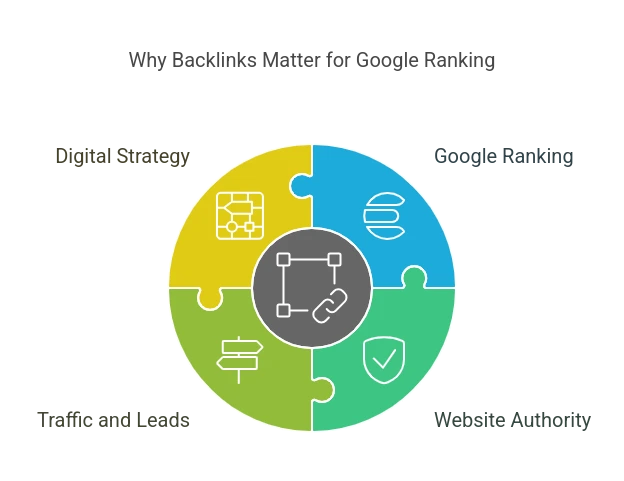
In simple terms, backlinks help Google decide which pages deserve to rank at the top. This is why understanding backlinks Google ranking is so important if you’re serious about SEO.
If you have amazing content but no backlinks, it’s like opening a shop in the middle of the desert. No one will find it. Strong backlinks act like signposts pointing visitors (and search engines) to your site.
Businesses that want consistent traffic and leads must invest in link building services, a major part of their digital strategy. Whether you run a blog, a local business, or a full-scale e-commerce website, backlinks can make or break your success.
How Many Backlinks Do I Need to Rank?
One of the biggest questions people have is: how many backlinks do I need to rank?
The truth is, there’s no magic number. It depends on different factors, like:
- The competitiveness of your industry
- How strong your competitors are
- The specific keyword you are targeting
- The overall quality of your website’s content
- Your current website authority (Domain Rating/Domain Authority)
If you’re targeting a very competitive keyword, you may need hundreds of backlinks. For easier, niche topics, a handful of high quality backlinks free or earned through guest posting could be enough.
Pro Tip:
Focus first on building fewer, but high-authority links instead of chasing hundreds of low-quality ones. If you want to speed up your efforts, you can also explore trusted Link Building Services or hire link building specialists to help.
The Power of High Quality Backlinks (Free and Paid)
You might wonder: “Can I get high quality backlinks free without paying?”
The answer is yes — but it requires effort, creativity, and patience. Some effective ways to earn free backlinks include:

- Writing guest posts for authority blogs (SEO Guest Post Services can help)
- Finding broken links on other websites and suggesting your content as a replacement
- Publishing valuable infographics or original research that others want to reference
- Sharing expert insights that journalists or bloggers quote
- Listing your site on reputable business directories (important for local SEO services)
However, many companies, especially those in competitive industries, choose to buy high quality backlinks to accelerate growth. It’s crucial to work with reputable digital marketing agencies that follow Google’s guidelines.
Buying links the wrong way (from spammy websites) can result in penalties that hurt your rankings instead of helping.
Need Help Earning or Buying the Right Links?
Types of Backlinks That Help You Rank
Not all backlinks are the same. Some links can supercharge your rankings, while others might have little to no effect.
Here are the best types of backlinks you should aim for:
1. Editorial Backlinks
These happen naturally when someone finds your content valuable and links to it without you even asking. Editorial backlinks are the gold standard in SEO.
Creating detailed, helpful, and well-optimized content increases your chances of earning these links.
2. Guest Posting Links
Writing blog posts for other websites in your industry is a proven strategy to get backlinks. Choose websites with good authority and real traffic. Using professional SEO Guest Post Services can save time and get better placements.
3. Business Profile Links
Every business should create profiles on reputable platforms like Google My Business, Yelp, Crunchbase, and industry-specific directories. These free high ranking backlinks can help boost your site’s trustworthiness and visibility.
4. Niche Forum and Community Links
Being active in industry forums (like Reddit, Quora, and niche communities) helps build your brand and earns backlinks — but only when you contribute genuine value.
Free High Ranking Backlinks: Where to Start
Here’s how you can start collecting free high ranking backlinks:
- Answer questions on Quora: Provide helpful answers and link back to relevant blog posts.
- Publish on Medium: Repurpose your blog content and build authority.
- Post on LinkedIn: Share insightful articles or posts that link to your site.
- Contribute to Reddit communities: Engage first, then share helpful content.
- Submit to Directories: Especially local and niche-specific directories that are trusted.
Also, consider creating resources like free tools, ebooks, templates, or calculators. These assets naturally attract backlinks when they solve common problems.
Investing in a strong content marketing strategy makes earning backlinks much easier over time.
How Many High Quality Backlinks Do I Need?
Now that you understand why backlinks matter, let’s answer: how many high quality backlinks do I need?
The real answer depends on your competition. Here’s a simple guide:
Keyword Competition | Suggested High-Quality Backlinks |
Low | 10-30 |
Medium | 40-80 |
High | 100+ |
If you’re just starting out, focus on building at least 10 solid backlinks from trusted sources. Over time, as your website authority grows, it will get easier to attract links naturally.
Using SEO tools can help you spy on competitors and find out exactly how many backlinks they have — so you can set a clear, achievable goal.
Smart Strategies to Build Backlinks That Actually Work
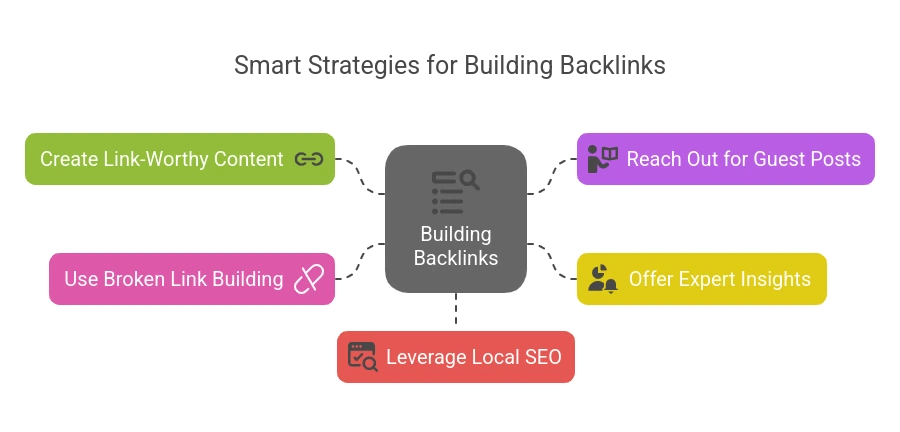
Building high-quality backlinks is one of the most effective ways to improve your website’s search engine rankings. However, it’s essential to use smart strategies that ensure your backlinks are valuable, relevant, and sustainable. Here’s a simple roadmap to help you acquire backlinks that work:
1. Create Link-Worthy Content
To attract organic backlinks, you need to create content that people want to link to. This isn’t just about producing any content—it’s about creating detailed, helpful, and well-structured content that provides real value. Think in-depth guides, comprehensive tutorials, case studies, or original research. When your content is truly useful and authoritative, people will naturally want to reference it in their own work, leading to backlinks.
Tip: Content that answers specific questions, solves problems, or provides unique insights is more likely to get linked to.
2. Reach Out for Guest Posts
Guest posting remains one of the most effective ways to acquire backlinks from reputable sites in your industry. Research authority blogs within your niche and offer high-value content in exchange for a backlink to your website. Focus on blogs with an engaged audience and a strong domain authority to ensure your backlink has significant SEO benefits.
Tip: Tailor your pitch to each blog and explain how your content can add value to
their readers. Don’t just focus on the backlink—focus on the quality and relevance of your content.
3. Offer Expert Insights
Contributing expert insights or quotes to media outlets, reporters, and bloggers is a great way to get backlinks. Platforms like HARO (Help a Reporter Out) connect journalists with experts for their stories. By answering relevant queries, you can earn backlinks from authoritative publications in your niche.
Tip: Be timely with your responses and ensure your answers are thoughtful and well-researched. This will increase your chances of being featured.
4. Use Broken Link Building
Broken link building is a clever strategy that involves finding broken links (links that lead to 404 pages) on websites within your niche, and then suggesting your content as a replacement. This tactic helps both you and the website owner—you’re helping them fix a broken link, and in return, you get a backlink.
Tip: Use tools like Ahrefs, Screaming Frog, or Check My Links to find broken links on authoritative sites. When you reach out, make sure to offer a relevant and high-quality piece of content as a replacement.
5. Leverage Local SEO
If your business serves a specific geographic area, local SEO can be a great way to acquire backlinks from local blogs, news outlets, and directories. These links can help you rank higher in local search results, giving your business a boost in local visibility. Look for local bloggers, journalists, or community websites that might be interested in linking to your site.
Tip: Ensure that your Google My Business profile is complete, and look for local sponsorship opportunities or collaborations that may lead to backlink opportunities.
Why You Should Hire SEO or Link Building Experts
Building backlinks can be tricky. Without experience, you might spend months trying without results — or worse, get penalties from Google.
That’s why it often makes sense to hire link building specialists or hire SEO specialists who know:
- How to find safe, high-quality opportunities
- How to negotiate guest posts and partnerships
- How to diversify your backlink profile
- How to monitor and adjust the strategy as your site grows
An experienced team can deliver consistent, safe, and powerful backlink growth — something that DIY efforts often miss.
Backlinks and Content: A Powerful Combo
It’s important to remember: backlinks and content go hand in hand.
Without great content, it’s hard to attract or even deserve backlinks. No one wants to link to poor-quality pages. At the same time, even the best content needs backlinks to be found.
Investing in professional content writing services or developing a smart content marketing strategy ensures you have assets worth linking to. Blog posts, case studies, infographics, and whitepapers can all drive backlinks over time.
The stronger your content, the easier it becomes to earn natural backlinks — and the faster your site grows.
Partner with SEO Discovery: Your Trusted Backlink & SEO Experts
If you’re serious about growing your online presence and ranking higher on Google, SEO Discovery is your go-to digital marketing agency. With over 15+ years of industry experience, they specialize in building high-quality backlinks, implementing white-hat SEO strategies, and delivering tailored digital marketing solutions that drive real results.
Whether you’re a local business, e-commerce brand, or international enterprise, SEO Discovery offers:
- Manual Link Building Services
- Content Writing and Guest Posting Services
- Local SEO Optimization
- Technical SEO & On-Page Audits
- Dedicated SEO Experts for Every Client
Backed by 400+ marketing professionals and over 18,000 successful projects worldwide, SEO Discovery is trusted by brands across the globe to improve visibility, drive traffic, and generate leads through smart SEO.
Ready to Build High-Quality Backlinks That Get Results?
FAQs on Backlinks and Google Ranking
There’s no universal number because it depends on several factors, including keyword difficulty, the strength of your competitors’ backlink profiles, your domain authority, and the quality of your content. For low-competition keywords, anywhere between 10 to 30 strong backlinks may help you rank, but for more competitive keywords, you might need over 100 quality backlinks to make a noticeable impact.
Not necessarily. While backlinks do play a critical role in rankings, Google prioritizes quality over quantity. In many cases, a few backlinks from authoritative and trusted websites can carry more weight than hundreds of links from low-quality sources.
Yes, it’s entirely possible to earn free high ranking backlinks through organic methods. Strategies like guest blogging, broken link outreach, creating valuable content, submitting your site to trusted directories, and sharing unique insights on forums can all generate high-quality links without cost.
The most valuable backlinks typically come from high-authority websites within your niche. These could include editorial links from blog posts, backlinks from news outlets, industry directories, community sites, and forums relevant to your industry. When these backlinks are naturally placed and contextually relevant, they contribute positively to your search engine rankings.
Buying backlinks can be risky if not done properly. Google’s guidelines discourage manipulative link building, and purchasing from spammy networks can lead to penalties. However, if you choose to buy high quality backlinks from trusted vendors who follow ethical SEO practices, it can help your site rank without violating search engine rules.
Backlinks are hyperlinks from other websites pointing to your site. They serve as signals of trust and authority to search engines. The more quality backlinks you have, the more credibility your site gains in the eyes of Google, which can significantly improve your search rankings.
To monitor your backlinks, you can use tools such as Ahrefs, SEMrush, Moz, or Ubersuggest. These platforms allow you to track the number of backlinks, see where they come from, and evaluate their quality, which helps you understand how your link-building efforts are paying off.
Dofollow backlinks allow search engines to pass on link equity to your site, which helps improve your rankings. Nofollow backlinks, on the other hand, don’t pass SEO value but can still be beneficial in terms of generating traffic and building brand awareness. A healthy backlink profile often includes a mix of both.