

Objective
This guide explains how to market baby and children’s products through parent-focused messaging, product safety information, customer reviews, and digital marketing strategies that build trust and encourage sales.
- Understand parents’ needs, concerns, and purchasing priorities before planning campaigns.
- Build trust through accurate product descriptions, transparent information, and verifiable safety claims.
- Use relevant parenting influencers and genuine customer reviews to introduce products to potential buyers.
- Publish helpful content that answers common questions about product selection, use, and care.
- Use high-quality product photography and demonstrations to show features clearly.
- Create genuine offers and loyalty programs that give customers a clear reason to return.
- Monitor customer feedback, competitors, and changing market preferences to improve your marketing strategy.
Marketing baby and children’s products requires more than attractive packaging or competitive pricing. Parents want to understand what they are buying, how a product meets their child’s needs, and whether they can trust the brand behind it.
For businesses selling baby clothes, toys, childcare products, and other children’s essentials, effective marketing starts with understanding parents’ concerns. Clear product information, genuine customer reviews, useful educational content, and transparent safety claims can help customers make informed decisions.

Did You Know?
Parents evaluating baby and children’s products often need more than promotional claims. Clear product details, transparent safety information, and genuine customer feedback help them assess whether a product suits their needs.
Brands can make product decisions easier by explaining materials, age suitability, care instructions, product features, and relevant safety certifications where applicable. Any claims about safety, sustainability, or product performance should be supported by reliable evidence.
Helpful content also gives brands a way to answer common parent questions before a purchase. Product guides, demonstrations, customer experiences, and detailed FAQs can explain how a product works and what customers should know before buying.
In this guide, we explore practical marketing strategies for baby and children’s products, from understanding parents to building trust, working with influencers, and improving the online shopping experience.
Build Parent Trust and Grow Your Baby Products Brand with SEO Discovery
What Is Marketing, and Why Is It Important?
Marketing is the process of promoting, selling, and distributing a product or service to your target audience. It helps customers understand who you are, what you offer, and why your products are worth considering. Marketing includes promotion, advertising, social media engagement, branding, and selling products and services to consumers.
Marketing matters for every business that wants to grow. It helps businesses reach their customers and stand apart from the competition. By identifying customer pain points and preferences, marketing shapes messages that resonate, increasing customer trust and loyalty. Without marketing, even the best products can go unnoticed.
Who Can Handle Your Marketing?
Marketing can be handled by several types of professionals or teams, depending on your needs and the size of your business:
In-House Marketing Team
Larger baby product businesses often have their own in-house marketing team. These professionals create and execute marketing strategies aligned with the company’s goals, handling everything from children’s product advertising campaigns to content creation.
Marketing Agencies
A marketing agency is a good option if you need specialized expertise or more comprehensive marketing services. Agencies like SEO Discovery offer a wide range of services, from SEO and social media marketing to paid advertising and brand strategy.
Freelancers or Consultants
For smaller businesses or specific projects, freelancers or marketing consultants can be a cost-effective choice. They offer flexibility and specialized skills for tasks such as digital marketing, social media management, and market research.
Digital Marketing Platforms

If you’re just getting started, platforms such as Google Ads, Meta Ads, or Shopify let you manage and run campaigns yourself with easy-to-use tools and templates.
Outsourcing to Third-Party Services
You can also outsource tasks such as content writing, graphic design, or social media management to specialized third-party services for more focused attention.
Effective Marketing Tips for Baby & Children's Products
The following tips can help you reach parents, communicate your product’s value, and build a brand they trust.
1. Know Your Target Market: Parents as Your Audience
Every marketing plan starts with knowing your audience. Parents look for products that support their child’s safety, comfort, and development. To reach them, you need to understand their needs, concerns, and buying priorities.
- The Parent Persona
Consider who is actually buying: busy parents, first-time parents, parents with multiple children, and gift-givers such as grandparents. Many want products that are reliable, practical, and clearly explained, and some also prioritize eco-friendly materials.
- Understanding the Emotions
Parents want reassurance that a product is right for their child and will do what it promises. Use relatable stories that reflect real parenting moments, such as giving a child a comfortable start or supporting their growth, while keeping every claim accurate.
2. Focus on Trust: Give Parents a Reason to Believe You
Trust matters for every product, but it is central for baby and children’s products. Parents are careful about what they bring into their child’s life, and brands earn their confidence through transparency, authenticity, and consistency.
- Real Testimonials, Real Stories
Share genuine reviews and testimonials from customers. Hearing how a product has helped other parents can be a strong deciding factor.
- Transparency in Product Information
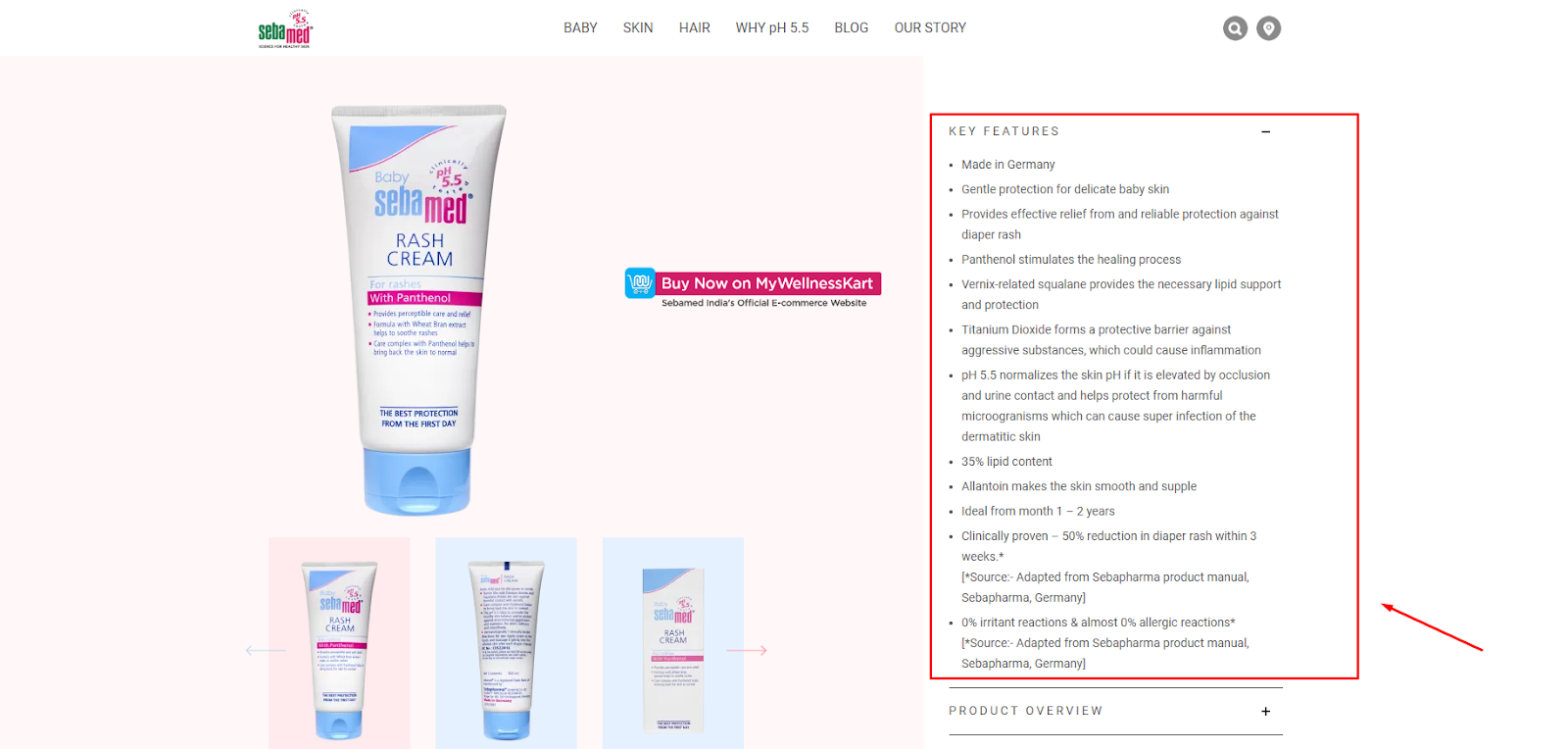
Explain the materials, age suitability, care instructions, and safety standards your products meet. Parents are more likely to buy from brands that share this information openly. Showing parts of your production or quality-check process can also help customers feel confident in their purchase.
Is Your Baby Products Brand Building Trust?
Create clearer product messaging and a digital marketing strategy that speaks to parents’ needs.
3. Use Influencers and Reviews: The Power of Word-of-Mouth
Word-of-mouth remains one of the most influential factors for parents. Social media extends its reach, as parenting creators and everyday customers share their experiences and recommendations.
- Work with Relevant Parenting Influencers
Many parents and parents-to-be turn to social media for ideas and advice. Look for parenting creators on blogs, YouTube, or Instagram whose audience matches your customers. Assess audience relevance, engagement quality, and content authenticity, and make sure every sponsorship is clearly disclosed.
- Encourage Customers to Leave Honest Reviews
If customers are happy with their purchase, invite them to leave a review. Feedback from fellow parents can help new buyers decide. Follow-up emails and simple review requests work well. If you offer an incentive, ask for honest feedback rather than only positive reviews, and follow the review platform’s rules.
4. Create Content That Helps Parents Decide
Marketing baby and children’s products is not only about selling; it is about building a connection through useful content. Educational and engaging content captures attention and positions your brand as a knowledgeable resource.
- Produce Educational Content
Parents and parents-to-be often have questions about parenting, child development, and product selection. Helpful blogs, videos, and buying guides can answer those questions and build trust. For example, parents may search for “How do I choose the best baby carrier?” or “How do I babyproof my home?”
- Add a Bit of Fun
Parenting includes plenty of joy, laughter, and mess. A light-hearted tone and relatable situations can make your content more memorable and help parents feel connected to your brand.
Want More Parents to Discover Your Products?
Improve your brand’s online visibility with focused SEO and digital marketing support.
5. Show Evidence of Product Quality and Safety
Safety and quality are among the most important considerations for parents choosing baby products. Make them a clear part of your messaging wherever they are relevant.
- Put the Most Important Information First
Highlight relevant product details such as materials, age range, and usage guidance, along with verified attributes like BPA-free, hypoallergenic, or eco-friendly where they apply. Display applicable safety certifications and standards clearly on product pages and promotional materials.
- Back Up Every Claim
Instead of simply saying a product is safe, show the evidence. Certifications, product testing results, and expert input where available help customers trust your claims. Avoid unsupported claims about health, safety, or performance.
6. Use Images and Videos: Show, Don't Just Tell
Visuals make your message clearer. Bright, cheerful images and real-life scenes help parents picture the product in use.
- Use High-Quality Imagery
Show the product in everyday situations, such as a toddler playing with a toy or a baby wrapped in a soft blanket. Real-life photos and videos help build rapport with your audience.
- Use Video Marketing
Videos help parents see how a product actually works. Demonstrations, unboxings, and customer stories often explain more than text alone.
7. Offer Genuine Deals That Simplify the Purchase
Parents often look for good value, especially for items children outgrow quickly. Thoughtful discounts, bundles, and retention offers can make the buying decision easier.
- Get Creative with Your Offers
Offers such as “Buy 2, Get 1 Free” or free shipping above a set order value can work well, as can discounts on items bought together. Make sure every offer is genuine and clearly explained.
- Loyalty Programs for Repeat Customers
Parents regularly buy items like diapers, clothes, and toys. A loyalty program gives them a clear reason to return to your store.
8. Stay Relevant: Follow Market Trends
The baby products market keeps changing as new products, materials, and technologies appear. Keeping up with trends helps you respond as customer preferences shift.
- Be Trend-Aware
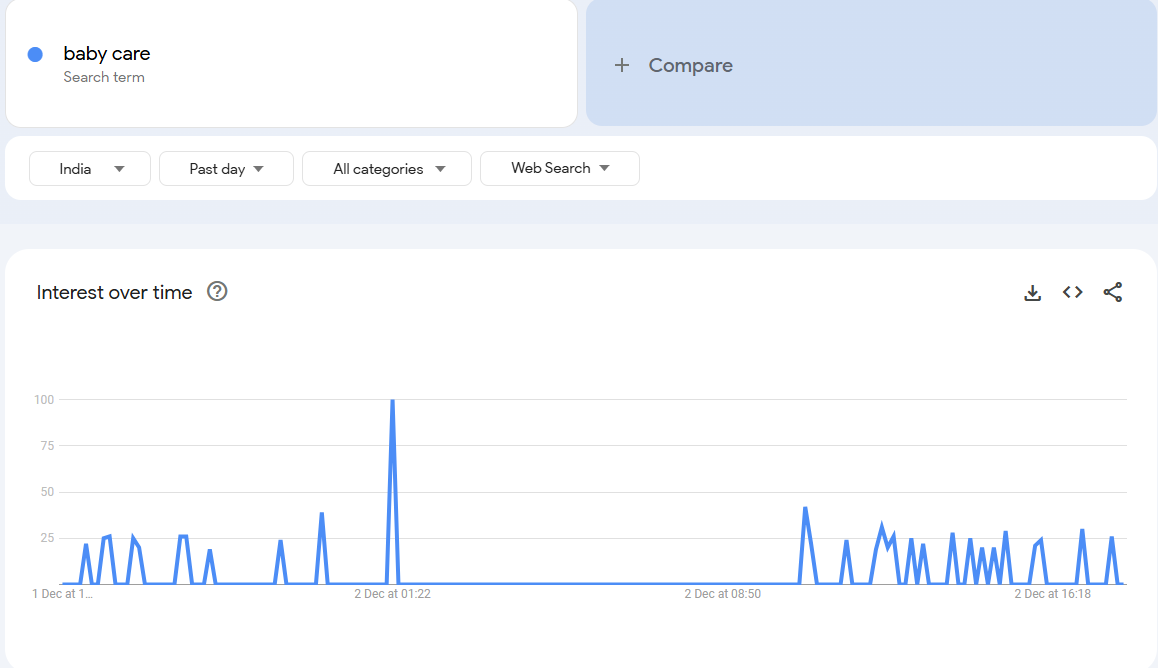
Watch developments such as organic product ranges, connected baby devices, and changing parenting preferences. You do not need to follow every trend; instead, adapt your products and marketing to the ones that fit your brand and audience.
- Monitor Competitors and Innovate
Track what competitors are doing and look for gaps in the market. Reviewing customer feedback regularly and innovating based on it can give your brand a lasting advantage.
Final Note
Marketing baby and children’s products works best when every message helps parents make a confident choice. Clear product information, genuine reviews, helpful content, strong visuals, and fair offers all play a part in building that trust.
Review your messaging regularly, listen to customer feedback, and keep your strategy consistent across search, social media, content, and paid campaigns. Small improvements in each area can add up to stronger visibility and more repeat customers.
If you want expert support, SEO Discovery works with baby and children’s product brands to plan and run campaigns that connect with parents. As an experienced product marketing agency, our team can help you strengthen your product pages, improve organic visibility, and reach the right audience across digital channels.
Ready to Grow Your Baby Products Brand?
Get expert digital marketing support tailored to your business and target audience.
FAQs About Marketing Baby & Children's Products
Start by understanding your target audience, then use relevant SEO, social media, educational content, customer reviews, product demonstrations, and targeted advertising to reach parents.
Parents want to make informed choices about products for their children. Accurate descriptions, transparent safety information, genuine reviews, and evidence-backed claims can help build confidence in a brand.
Social media lets brands showcase products, share demonstrations, answer questions, feature customer experiences, and connect with relevant parenting communities.
Relevant parenting influencers can introduce products to an established audience. Brands should assess audience relevance, engagement quality, content authenticity, and transparent sponsorship disclosures before choosing collaborators.
Useful formats include product demonstrations, buying guides, care instructions, age-appropriate product information, customer reviews, FAQs, and videos that explain product features.
SEO can help product and category pages appear for relevant searches. Keyword research, useful product descriptions, technical optimization, internal linking, and relevant content can support organic visibility.
Focus on relevant product features, materials, intended age range, usability, care instructions, and verified safety information. Avoid unsupported claims about health, safety, or performance.
Brands can use relevant follow-up emails, loyalty programs, useful product recommendations, customer support, and appropriate offers. Communication should reflect the customer’s needs and the product’s actual usage cycle.