

SEO optimization for your website is paramount. It helps you to increase visibility, drive traffic, and attract the right audience.
“Did you know – 53% of website traffic comes from organic search, making SEO the top driver of website visits.”
But how do you get started?
Don’t worry—in the fullness of competition, we’ll walk you through every step in detail in this blog.
From keyword research to technical SEO, all in simple, practical terms. And yes, we’ll share some data points to show you why each step matters. So, let’s get started.
Table Of Contents
- Introduction
- Why Does Your Website Need SEO Optimization?
- Tips Of To Set Up SEO Optimization For Website
- Key Takeaways
Why Does Your Website Need SEO Optimization?
Without SEO optimization, your website is like an unrecognized shop in the city. So, how will customers find you? That’s where Search Engine Optimization comes in.
Optimization not only improves your online presence but is also important for your long-term success. Therefore, SEO optimization for website is the key to successful digital marketing and helps your website remain relevant, competitive, and noticeable.
If you optimize your website correctly, you are ready to attract visitors who are genuinely interested in what you offer. Additionally, SEO helps you stay strong in the competitive world. This results in higher chances of conversions, whether they’re making a purchase, signing up for a newsletter, or filling out a contact form.
Moreover, SEO allows you to analyze and adjust your strategies by providing insights through data on traffic, user behavior, and conversion rates.
While paid ads can drive traffic quickly, they stop working once the budget runs out. SEO, on the other hand, builds your organic presence over time, creating a steady flow of visitors without ongoing advertising costs. Thus, SEO is cost-effective and the ideal solution in the long run.
Tips To Set Up SEO Optimization For Website
Here, we will discuss the steps to help you boost your online presence. Let’s go through each point:
1. Start with Keyword Research
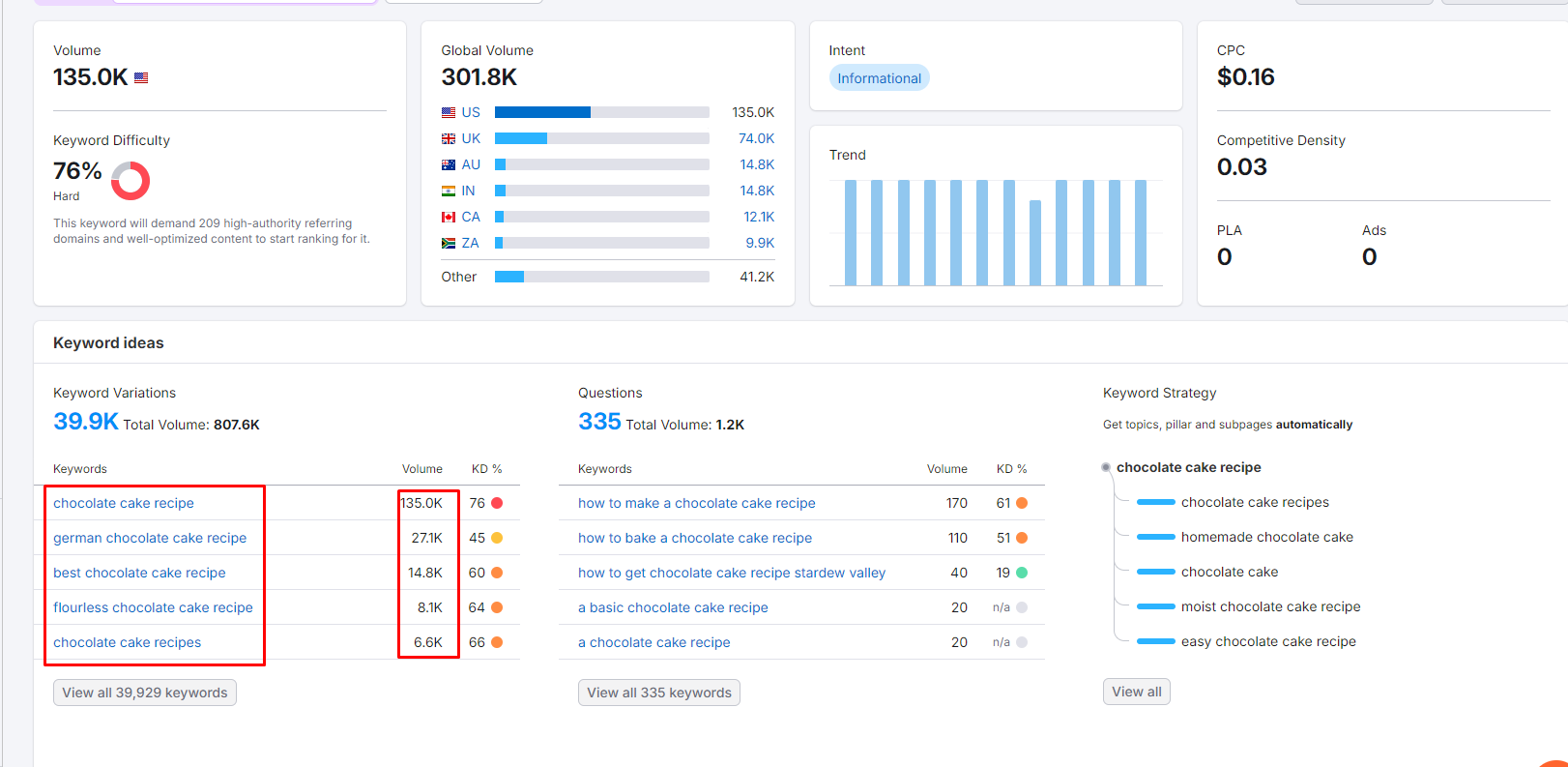
Keyword research is an important pillar of SEO. For this, you need to know what your target audience is looking for and modify your content to those search phrases.
For example, if you run a bakery, you might think about topics like “best chocolate cake recipe” or “gluten-free desserts.” Then, use tools such as Google Keyword Planner, Ahrefs, or SEMrush to identify relevant keywords like “easy chocolate cake recipe” or “gluten-free cupcake ideas” that have high search volume but low competition.
This way, you can attract more potential customers by matching their search intent.
Why is it important?
According to Backlinko, 75% of users never go beyond the first page of search results. Choosing the appropriate keywords increases your website’s chances of being on the coveted first page.
Steps to Follow:
- List down core topics relevant to your business.
- Use keyword research tools like Semrush, ahrefs, and Keywords Planner to find related terms.
- Analyze keyword difficulty and choose the ones with a balance of search volume and competitiveness.
2. Optimize On-Page SEO Elements
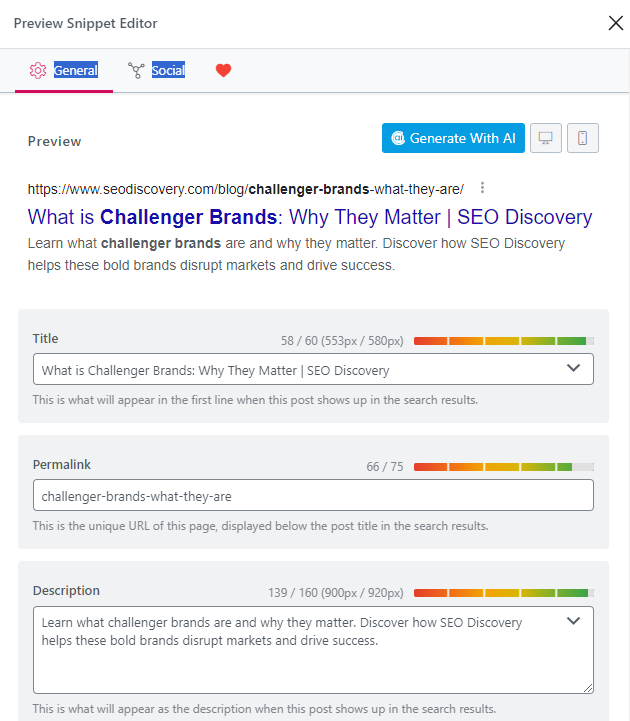
On-page SEO involves optimizing individual pages on your website to rank higher and earn more relevant traffic. Key elements include title tags, meta descriptions, headers, and content.
Title Tags and Meta Descriptions:
The title tag is what users see in search results, while the meta description provides a brief summary of your page. Both should include your primary keyword.
Example: If you’re targeting the keyword “best vegan recipes,” your title could be “Best Vegan Recipes for Healthy Living,” and the meta description might be “Discover a variety of delicious and easy-to-make vegan recipes for a healthier lifestyle.”
Headers (H1, H2, H3, etc.):
Use headers to structure your content. The H1 should include your primary keyword, and subheadings (H2, H3) can be used for secondary keywords.
Example: For a blog post about vegan recipes, your H1 might be “Best Vegan Recipes,” while H2 could be “Healthy Vegan Breakfast Options” and H3 might cover “Quick Vegan Lunch Ideas.”
Content:
Your content should be high-quality, informative, and keyword-optimized. For this, you can use the primary keywords naturally in the first 100 words and throughout the content without keyword stuffing.
Why is it important?
A study by Moz found that on-page SEO elements like title tags and content optimization can increase search visibility significantly, sometimes by as much as 20%.
Steps to follow:
- Write compelling title tags and meta descriptions for every page.
- Structure your content using headers and subheaders.
- Include your primary keyword in the first paragraph and naturally throughout the content.
3. Focus on Technical SEO
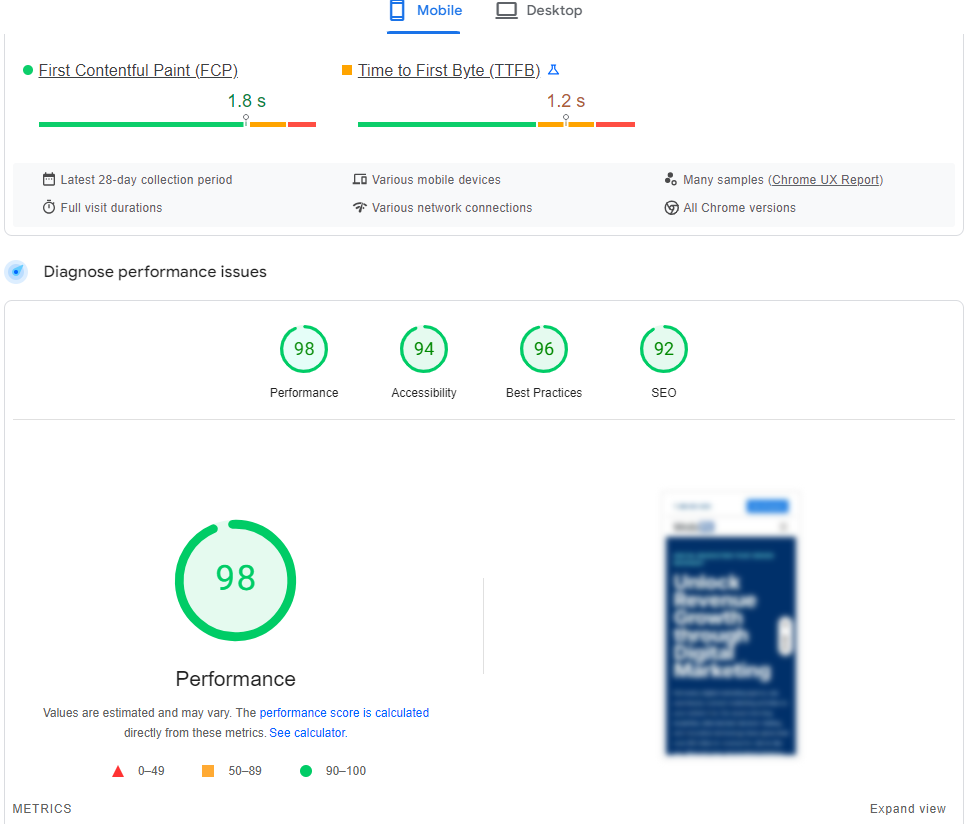
Technical SEO Optimization For Website means that the process is focused on developing the website’s backend to improve its performance and give users a better experience. These are the main and most important elements, such as site speed, mobile responsiveness, and secure connections (HTTPS).
Just imagine going to a website that takes ages to load—it’s frustrating, isn’t it? If your website takes longer than three seconds to appear, many visitors will leave before it even finishes loading.
A possible solution for this problem is image optimization and the set-up of browser caching to speed things up.
Site Speed:
A slow site can ruin the chances of your potential customers to turn into leads. Apart from failing mobile tests and around 60% of searches coming from mobile devices, other rankings of the site have been negatively affected.
Mobile-Friendliness:
With over 60% of searches coming from mobile devices, mobile-friendliness is just a must for all the websites, with no exception. It is suggested that you use tools like Google Lighthouse or Google PageSpeed Insights to optimize your site.
HTTPS:
Website security is a ranking factor for the search engines. Check your domain in your cPanel. If the error is due to URL rewriting in a .htaccess rule, only remove the amp; from the rule.
Why is it important?
One of the most important things with the new updates announced by First Com is the speed of the loading page of the site. But we all know that trash lives forever.
Steps to follow:
- Use tools like Google PageSpeed Insights to improve site speed.
- Ensure your site is mobile-friendly using a responsive design.
- Install an SSL certificate and move your site to HTTPS.
4. Create High-Quality Content
High-quality content is another important pillar of SEO success. Your content should be informative, engaging, and resonate with your audience’s needs.
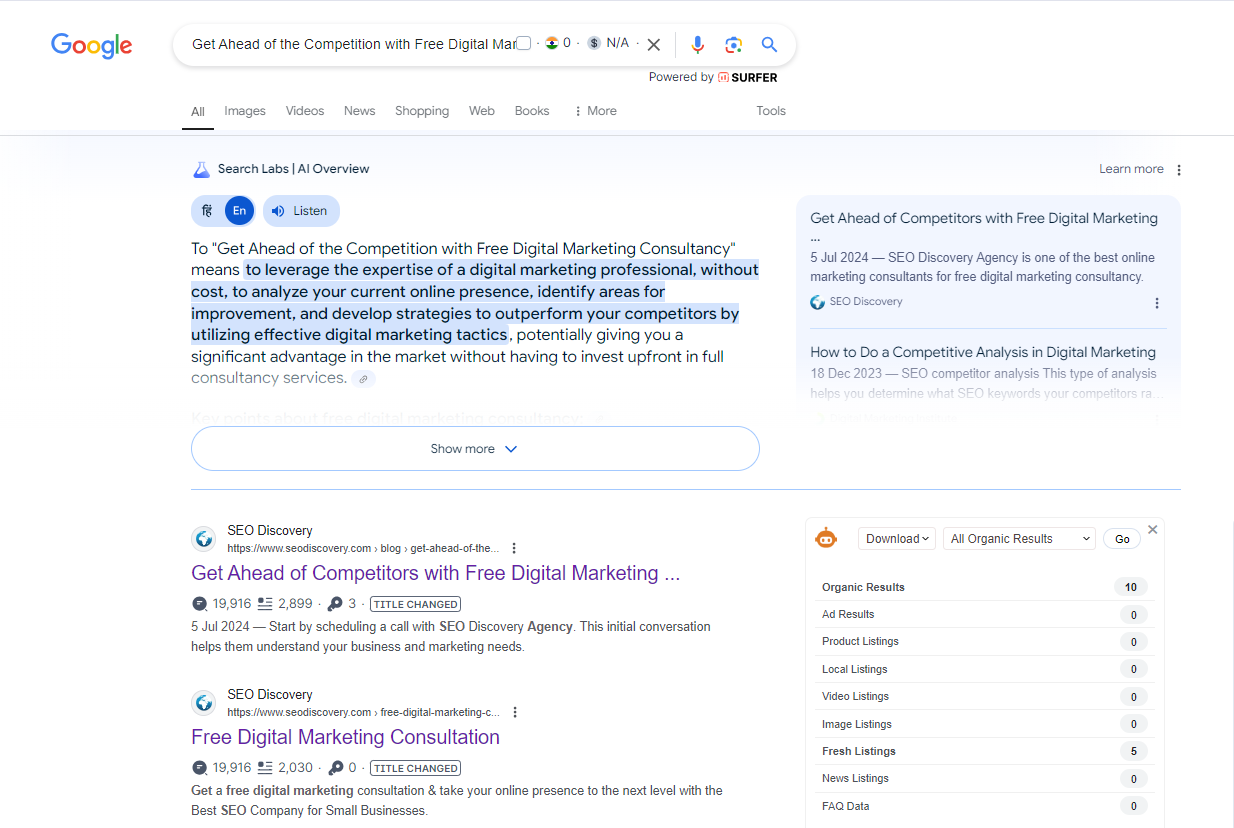
For example, if you run a social marketing blog, writing detailed content on “Top 10 Influencer Marketing Agencies In India” can attract readers searching for agency tips.
Blog posts, articles, and guides like this are excellent ways to include keywords naturally while providing value.
Why is it important?
According to HubSpot, businesses that blog get 55% more website visitors than those that don’t. Quality content not only attracts visitors but also encourages them to stay longer and engage with your site.
Steps to follow:
- Develop a content strategy based on your keyword research.
- Create content that answers questions your audience is asking.
- Use a mix of formats like blogs, infographics, and videos to keep your audience engaged.
5. Build Quality Backlinks
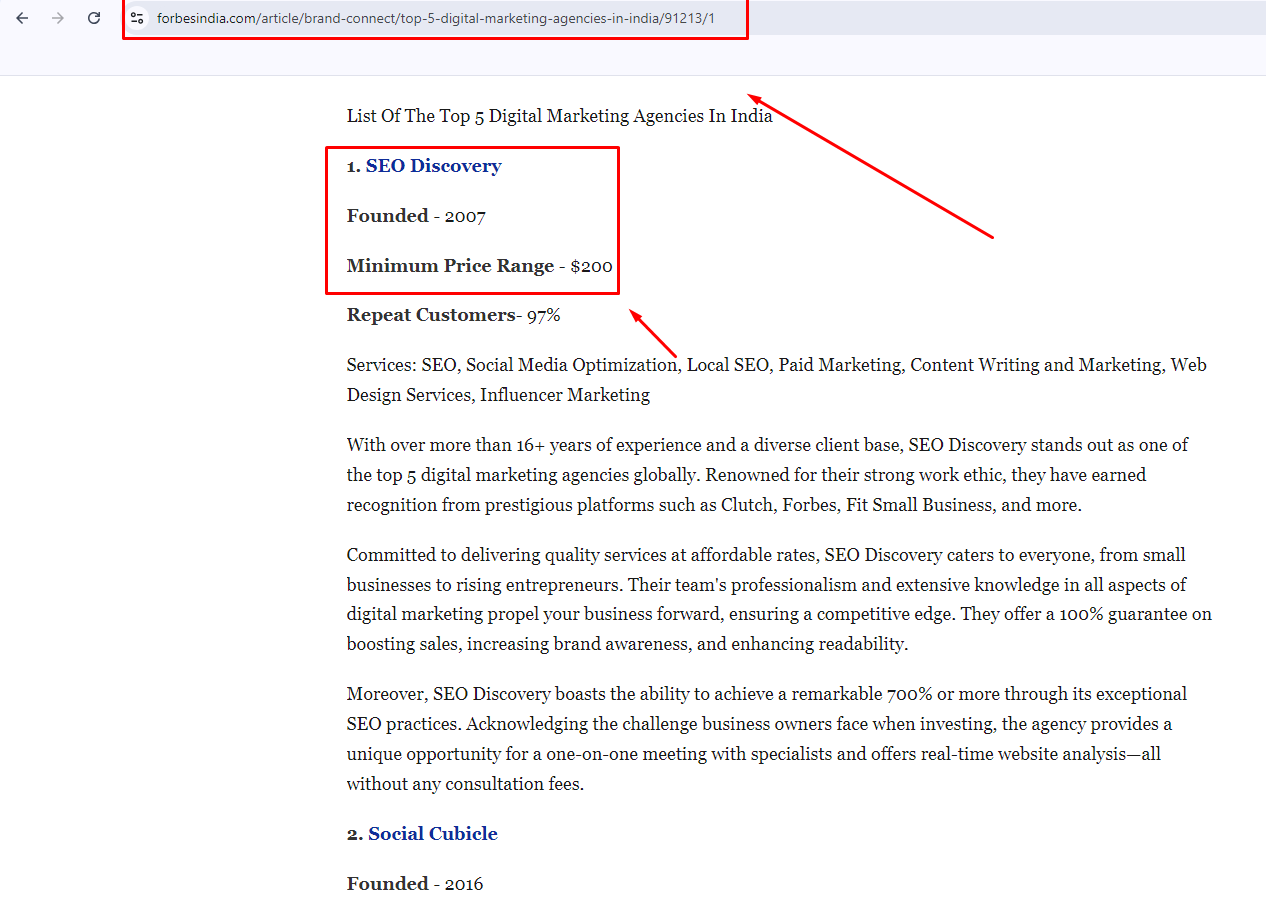
Backlinks are links from other websites to yours. They signal to search engines that your content is valuable and trustworthy. However, not all backlinks are created equal. Focus on getting links from reputable sites in your industry.
Why is it important?
Backlinko’s analysis of one million Google search results found that the number of domains linking to a page was the top-ranking factor. In fact, pages with high-quality backlinks rank significantly higher in search results.
Steps to follow:
- Reach out to industry blogs and offer to write guest posts.
- Create shareable content like infographics or research reports.
- Use tools like Ahrefs to analyze your competitors’ backlinks and identify opportunities.
6. Optimize for Local SEO
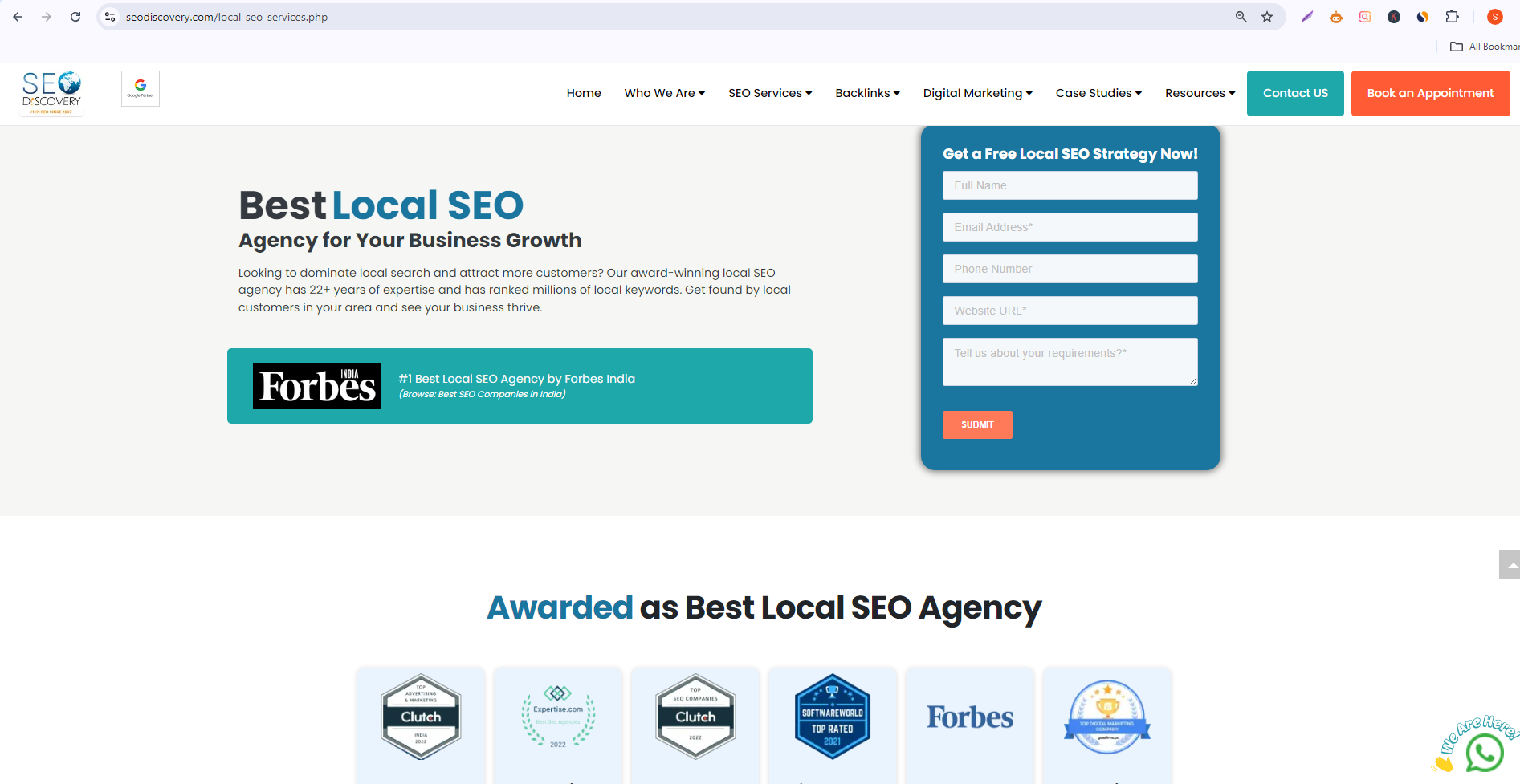
If you run a local business, like a coffee shop or a boutique, getting noticed by nearby customers is key. That’s where local SEO comes in. It’s all about making sure your website and Google My Business listing show up when people search for things near them.
For example, if you own a bakery in Seattle, you’d want your website to mention things like “best bakery in Seattle” or “Seattle cakes.”
Plus, keeping your Google profile updated with your hours, address, and some great reviews will help customers find you faster when they’re looking for a place nearby. It’s a simple way to attract local customers who are already searching for what you offer!
Why is it important?
According to Google, 46% of all searches have a local intent. That means nearly half of all Google searches are people looking for local information, products, or services.
Steps to follow:
- Claim and optimize your Google My Business listing.
- Use local keywords in your website content (e.g., “SEO services in New York”).
- Get listed in local directories and ask satisfied customers for reviews.
7. Use Analytics to Monitor Performance
Once you’ve set up your SEO, it’s crucial to monitor your performance. Tools like Google Analytics and Google Search Console provide valuable insights into how your site is performing.
Why is it important?
Analytics help you understand what’s working and what’s not. You can see which pages are attracting traffic, which keywords are performing well, and where there’s room for improvement.
Steps to follow:
- Set up Google Analytics and Google Search Console.
- Track key metrics like organic traffic, bounce rate, and keyword rankings.
- Use the data to refine your strategy and make adjustments as needed.
8. Keep Up with SEO Trends
SEO is always changing, and it’s important to stay in the loop. What works well today might not be effective next month. Search engines, like Google, often update their algorithms, and that can impact your website’s ranking.
Read more about the google algorithms: https://www.seodiscovery.com/blog/google-algorithm-updates/
To succeed in the long run, it’s crucial to keep learning and adapting to these changes. Follow industry news, attend webinars, or read SEO blogs regularly to stay informed.
This way, you can adjust your strategies and make sure your website stays visible to your audience.
Why is it important?
Search engines like Google make frequent updates to their algorithms. Keeping up with these changes ensures that your SEO Optimization for website strategy remains effective.
Steps to follow:
- Follow reputable SEO blogs like Moz, Search Engine Journal, and Backlinko.
- Join SEO communities and forums to stay informed.
- Regularly review and update your SEO strategy based on new trends.
Key Takeaways!
Setting up SEO optimization For websites can seem overwhelming at first, but by following the above steps, you’ll be on your way to improving your site’s visibility and traffic. If you want to save time and effort, hiring an experienced agency is the perfect solution. Agencies like SEO Discovery are renowned for helping many businesses reach their target audience and maximize ROI.